Saturday, November 3, 2007

Photos de San Pacho / Fotos de San Pacho

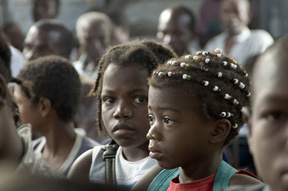
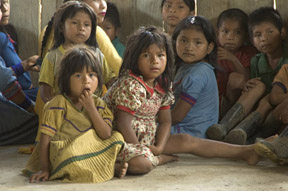
Some time back I promised you some photographs from the Fiestas de San Pacho. Here are a few. If you want to see really a lot of them (I was totally out of control), you can go to: www.pbase.com/stevecagan/san_pacho. To see a more reasonable number (32, including the images here), you can go to my website


Hace un rato les prometí unas fotos de las Fiestas de San Pacho. Acá hay unas pocas. Si quieren ver un monton (perdí control totalmente), pueden ir a: www.pbase.com/stevecagan/san_pacho. Para ver una cantidad más razonable (32, incluyendo las que están acea), pueden ir a mis páginas de Internet.


Happy Halloween (No pictures- Damn!) / "Happy Halloween" (No fotos- ¡Vaya!)

Happy Halloween

In recent years, Halloween has gained strength here in Colombia. It’s pretty much the same Halloween we celebrate in the US. In fact, you see signs in stores that say “Happy Halloween” in English. Does the expression “cultural imperialism” mean anything to you? This seems like it to me.

However, it turns out that I enjoyed what I saw on the actual day. Unfortunately, thinking I was going to spend the entire day locked up in the office where I work, catching up on writing, I didn’t have a camera. Natch, that was the day that no fewer than three people asked me to take some picture or other that they needed, and that I would regret my decision when I saw the kids in costume in the streets.

In the morning, I saw a few buses with black and orange balloons, but no big deal. But when the kids got out of school in the afternoon, they were wearing costumes (mostly commercial costumes their parents had bought in the stores) and they were going “trick or treating.” I don’t know if they go door-to-door in the barrios. But what I saw was pretty cute—little kids (I mean, witches, pirates, and so on) would go into one of the stores on the super-busy Alameda (you remember, the Alameda with no trees), maybe two or three of them. They would sing a little song or do some other modest performance, and be rewarded with a piece of candy or two.

It was very modest, much less demanding than what goes on where we live, and totally charming. Sorry about the no pictures.

Meanwhile, on another front of cultural imperialism, Santa Claus has begun to appear. One of the Universidad Nacional students and I worked out a Santa Claus more appropriate to Colombia. First, absolutely no artificial snow (snow? I this heat? If you want snow, get up to the higher reaches of the Andes). Instead of that heavy, totally inappropriate red snowsuit, Santa will wear either a flowered tropical shirt or a guayabera-red, of course (in Hawai’i he wears a tropical shirt and surfs, right?). And reindeer—puhleeze! And a sled—forget it! He will be in a carreta (a cart) pulled by eight donkeys (or perhaps in the cities, he could be on a zorra—one of the [illegal] horse-drawn freight wagons).

Oh well…I hope you all had a happy Halloween, kiddies.

"Happy Halloween"

En los últimos años, Halloween se ha empezado a pegar fuerte acá en Colombia. Es por lo general la misa ˙alloween que observamos en EEUU. De hecho, en las tiendas ves letreros y carteles que dicen “Happy Halloween” in gringolandés. ¿A ti te tiene significado la expresión “imperialismo cultural?” A mí esto me la parece.

Sin embargo, resulta que lo que vi durante el propio día me cayó bien. Lastimosamente, al pensar que iba a pasar todo el día encerrado en la oficina donde trabajo, poniéndome al día con la escritura, no llevé cámara. Obvio, eso fue el día en que no menos que tres personas me pidieron una u otra foto, y que iba a lamentar mi decisión al ver l@s niñ@s en las calles en disfraces.

Por la mañana, vi unos buses con globos anaranjados y negros, pero no hubo gran bulla. Pero cuando los pelad@s salieron de las escuelas por la tarde, andaban disfrazad@s (la mayoría llevaban disfraces comerciales que los padres habían comprado en los almacenes). No sé si van de puerta a puerta en los barrios. Pero lo que vi fue lindo—pequeñ@s niñ@s (quiero decir, brujas, piratas, etc.) entraron en unas de las tiendas en la súper transitada Alameda (se acuerdan, la Alameda que no tiene ningún árbol), quizás unos dos o tres. Cantaron una cancioncita o hicieron un truquito, y fueron premiados con un o dos confites.

Fue muy modesto, mucho menos exigente que lo que pasa donde vivimos, y totalmente encantador, Lo siento lo de no fotos.

Mientras tanto, en otro frente del imperialismo cultural, Santa Claus ha empezado a aparecer. Una de l@s estudiantes de la Universidad Nacional y yo elaboramos un Santa Claus más apropiado para Colombia. En primer lugar, sin absolutamente ninguna nieve artificial (¿nieve? ¿en este calor? Si quieres nieve, anda a los picos altos de los Andes). En lugar se ese traje pesado y totalmente inapropiado, Santa llevará o una camisa tropical con flores o una guayabera—colorada, por supuesto (en Hawai’i lleva camisa tropical y hace surfing, ¿cierto?) Y renos—¡por favor! Y un trineo--¡olvídatelo! Estará en una carreta jalada por ocho burros (o quizás en las ciudades puede estar en una “zorra”—una de las (ilegales) carretas de caballito).

Pues, como sea…espero que tod@s pasasen happy halloween, chic@s.

Monday, October 29, 2007

Election Day / Día de Elecciones


Sunday, October 28, Election Day in Colombia.

This time, it was regional and local elections: departmental governors and assemblies and municipal mayors and councils. Quibdó is pretty dead; lots of people have left to vote in their home towns, lots of businesses don’t open, though many do. There are streets roped off by the police around the polling places. The police presence has been impressive the last few days. Yesterday lots of cars and pedestrians where stopped at police checkpoints. Every election, it’s expected that the guerrilla organizations will try to disrupt the process; indeed a number of candidates were murdered in the weeks running up to today. But things seem to be going smoothly. The truth is, Uribe seems to have brought an increased security in the towns and the major roads; the question is, at what price? But the voting seems to be going relatively smoothly, only minor problems here as I write this. And it’s worth pointing out that unlike in the US, voting is on a Sunday, not a workday, as if the system wanted people to be able to vote.

However, it’s also worth pointing out that—perhaps not unlike the US—the ballot is way too complex. The voter gets four ballots to mark, one for each of the offices being elected. Each ballot is divided into two sections. Above are the symbols of the parties, and you mark one of these, so the party gets credit for your vote. Then below, you mark the number of the candidate you actually want to vote for (if you remember what number it was). I was talking to a friend who has worked with the diocese and with COCMACIA, the federation of Afro-Colombian communities in this area. He expressed concern that lots of people wouldn’t do this correctly:

“If you mark just the party and not the candidate, the party gets a vote, but not the candidate.”
“Then what happens? Does the party end up choosing its representative?”
“Really, I don’t know how it works.”
“But if you don’t know, how will less experienced people understand?”
“That’s the problem.”

The real story is not in the voting so much as in a widespread and profound sense of cynicism and hopelessness when it comes to politics. The whole story in summed up in an exchange I had with a guy I know, a poor worker, on the street outside a school where people were voting:

“Jimmy, these groups of people standing around, is it true that they’re waiting for someone to come and buy their votes?”
“Sure, it’s always like this, and there will be lots more people later.”
“There’s an awful lot of cynicism here.”
“Yes, Steve, but the politicians did that.”

The problem is that both international and Colombian election observers are going to report that the voting went smoothly. But are they going to be able to report how many of the voters had sold their votes (and cheap!), how many people are so disillusioned that they don’t even think it’s worthwhile to complain? They don’t see those things. And since they’re inside the polling place (where no photography was allowed, so I didn’t stay long), not on the street, none of them saw the police breaking up a wholesale sale of votes right outside. Well, to be fair to the observers, I later learned that they apparently are aware of this angle. I hung out for a while with an observer from Mexico, and he later told me that the office of one governor candidate was actually closed because the authorities found piles of cash there. It turns out this was the same campaign that was trying to buy the votes when the police intervened. Oh—and he won, and by a large margin. That fact that he’s in Uribe’s group makes it important that we don’t know whether people voted for him because they like him or because it was financially worth their while. I know that one friend received a $30,000 peso down payment, but because she couldn’t find her voting place, never got the rest of the money—but she kept the down payment.

In the period leading up to the election, I either talked with people about what was going to happen (usually here you can ask in any municipio, “Who’s going to be elected?” and there’s general agreement about the outcome) or listened to similar conversations. In the end, I saw four major groups of people:

1. People who vote because they favor one or another candidate, or—like me and many of my friends at home—to prevent a really terrible candidate from being elected. In Medellín, for example, I met a number of people who feel the current mayor is really good, and they want to keep his group in power. But in general, these voters do not seem to be the majority.
2. People who vote because they have made a commitment to one of the campaigns—in exchange for consideration received (they sell their votes). Yesterday, a few poor working people I know here were looking for someone to buy their votes…This, of course, is also a reflection of a deep sense that all the politicians are crooked and basically worthless liars. And that doesn’t seem to be far wrong in the majority of cases.
3. People who don’t vote out of principle, because to vote would be to participate in a system they think is fatally flawed. Some of these people cast blank ballots, but the majority just don’t go to the polls.
4. People who don’t vote because they don’t see the point. “They’re all the same.” “It’s all the same to me who wins.” “None of them do what they promised.”

Of course, this level of cynicism, justified though it may be, is a powerful weapon in the hands of a political elite that maintains the reins of power.

(Since I wasn’t allowed to take pictures of people voting, and I don’t know how to take pictures of people deciding it’s not worth it to vote, here are a few pictures of people trying to figure out where they vote…)


(Does everyone see what's funny in this pictures? / ¿Todos ven lo chistoso de esta foto?)


Domingo, 28 de octubre, Día de Elecciónes en Colombia


Esta vez, se trata de elecciones regionales y locales: gobernadores y asambleas departamentales y alcaldes y concejos municipales. Quibdo está media muerta; mucha gente ha salido para sus lugares de origen, muchos negocios no abren, aunque otros muchos sí. Hay calles cerradas por la policía alrededor de los recintos de votación. La presencia policíaca has sido impresionante en los últimos días. Ayer, muchos carros y peatones fueron parados en retenes de la policía. Cada elección, se espera que las organizaciones guerrilleras intenten romper el proceso; de hecho unos candidatos fueron asesinados en las últimas semanas. Pero parece que todo va bien. La verdad es que Uribe al parecer ha logrado mejorar la seguridad en los poblados y las carreteras principales; cabe preguntar, ¿a qué precio? Pero la votación parece ir bien, solo unos problemas pequeñas al escribir esto. Y cabe señalar que, al contrario de lo que pasa en EEUU, la votación se realiza un día domingo, no un día hábil, como si el sistema quisiera que la gente pudiera votar.

Sin embargo, también vale señalar que—quizás no distinto a EEUU—el boleto es demasiado complejo. El votante recibe cuatro boletos a marcar, uno para cada uno de los puestos en contención. Cada boleto se divide en dos secciones. Arriba están los símbolos de los partidos, y marcas uno de estos para que el partido reciba crédito por tu voto. Luego, debajo marcas el número del candidato por quién de hecho quieres votar (si ye acuerdas cual número es). Hablaba con un amigo que ha trabajado con la diócesis y con COCOMACIA, la confederación de las comunidades afro-colombianas en esta área. Expresó su preocupación que mucha gente no lo va a hacer correctamente:

—Si marcas solo el partido y no el candidato, el partido recibe un voto, pero ne el candidato
—Y entonces, ¿Qué pasa?¿El partido termina eligiendo su representante?
—De hecho, no sé como funciona
—Pero si tú no sabes, ¿Cómo va a entender gente con menos experiencia?
—Eso es el problema.

La historia real no está tanto en la votación, sino en un cinismo amplio y profundo, y un desesperanza en cuanto a la política. Toda la historia se resume en un intercambio que tuve con un tipo conocido, un trabajador pobre, en la calle cerca de una escuela donde la gente votaba:

—Jimmy, estos grupos de gente parados por acá, ¿será cierto que esperan a que alguien venga a comprar sus votos?
—Seguro, siempre es así, y habrá mucho más gente más tarde.
—Hay mucho cinismo acá.
—Sí, Steve, pero los políticos hicieron eso.

El problema es que tanto internacional como nacional observadores van a contar que la votación anduve bien. Pero, ¿podrán informar sobre cuantos votantes vendieron sus votos (¡y barato!), como mucha gente queda tan desengañada que ni siquiera cree que vale la pena quejarse? No ven esas cosas. Y ya que están dentro de los recintos de votación (donde no se permite sacar fotos, pues, no me quedé mucho), y no en la calle, ninguno de ellos vio a la policía intervenir para parar una venta al mayor de votos justo afuera del lugar. Bueno, para ser justo con los observadores, luego me di cuenta que aparentemente, sí, efectivamente están entrados del asunto. Acompañe por un rato a un observador de México, y luego me dijo que la sede de un de los candidatos por gobernador de hecho fue cerrado por las autoridades después de que descubrieran una cantidad muy grande de billetes allá. Resulta que fue la misma campaña que andaba comprando votos cuando intervino la policía. Oh—y ganó el tipol, y por mucho. El hecho de que es uribista hace importante que no sabemos si la gente votó por él porque les cayó bien o porque valía la pena en términos económicos. Lo que sí sabemos es que el hecho de los candidatos son dispuestos a gastar tanto para comprar votos indica que al ganar esperan realizar ganancias mucho más grandes. Conozco que una amiga recibió un adelantado de $30.000 pesos, pero ya que no pudo encontrar su lugar de votación, jamás se le entregó el resto del dinero—pero se quedó con el adelantado.

En el período antes de la elección o hable con distintas personas sobre lo que iba a pasar (normalmente acá puedes preguntar en cualquier municipio, —¿Quién va a salir elegido? Y hay un acuerdo general en cuanto al resultado), o escuché conversaciones parecidas. Al fin de la cuenta, vi cuatro grupos mayores de gente:

1. La gente que vota por que quiere uno u otro candidato, o—como yo y muchos de mis amigos a casa—para que no salga un candidato verdaderamente espantoso. En Medellín, por ejemplo, conocí una cantidad de gente que cree que el alcalde actual es bueno de verdad, y quieren mantener su grupo en el poder. Pero en general, estos votantes no parecen ser la mayoria.
2. Gente que vota por que se ha comprometido con una de las campañas—en cambio de valor recibido (es decir, venden sus votos). Ayer, unas personas que conozco, trabajadores pobres, buscaban alguien que comprara sus votos…Esto, desde luego, refleja un sentido muy profundo que todos los “politiqueros” son deshonestos y básicamente unos mentirosos inútiles. Y en la mayoría de los casos, no parece ser muy equivocado.
3. Gente que por principio no vota, porque votar sería participar en un sistema que ven como fatalmente defectivo. Algunas de estas personas votan un boleto en blanco, pero la mayoría simplemente no van a votar.
4. Gente que no vota por que no ve el por qué. –Son todos iguales.—A mi me da igual quién sale.—Ninguno hace lo que ha prometido

Por supuesto este nivel de cinismo, por muy justificado que sea, es un arma poderosa en las manos de un elite político que mantiene las riendas del poder.

(Ya que no me permitieron sacar fotos a la gente al votar, y no sé sacar fotos a gente decidiendo que no vale la pena votar, acá hay unas fotos a gente tratando de averiguar donde vota…)

Saturday, October 27, 2007

A new experience / Una experiencia nueva

A new experience

When I visited Guaduas, I was part of a “commission” of five people—two women and three men. For the last night we were there, a couple had invited us to stay at their house, in order to avoid losing a lot of time the last day walking back to where we had been staying. This was generous and very welcome, both to save the time, and for the experience of staying with them. They were gracious and friendly hosts, and I feel my view of the life of the people of Guaduas was broadened by the experience.

When it was time for bed, we were shown a room that had a bed that was somewhat broader than usual, and two normal beds. The two women got the “double” bed, which left two beds for the three men. Our hostess began to arrange bags and cloth on the floor as a pallet, and I volunteered to take the floor (which would be no problem for me).

“Oh, no,” she exclaimed, “¡a los niños y los ancianos, les ponemos en las camas!” (“We put children and old people in the beds!”) I must have looked pretty stricken, because she hastened to add, “That doesn’t mean that you are an old person.” Yeah, right…

Well, there was apparently no way to avoid it, so I took the bed. But will I ever be the same…? (I’m happy to be able to report that in the Medellín Metro, nobody got up to give me a seat, so maybe there’s still hope)

Una experiencia nueva

En la visita a Guaduas, era miembro de una “comisión” de cinco personas—dos mujeres y tres hombres. Para la última noche de nuestra estancia, una pareja nos había invitado a quedarnos en su casa, para no perder mucho tiempo en el ultimo día, caminando de vuelta hacía donde nos habían quedado. Eso fue generoso y muy grato, tanto para ahorrar el tiempo como para la exeriencia de pasar tiempo con ellos. Eran anfitriones generosos y con gracia, y pienso que mi sentido de la vida de los guadueños fue ampliado por la experiencia.

Cuando llegó la hora de acostarnos, nos enseñaron un cuarto que tenía un cama algo más ancha que lo normal—no precisamente una cama matrimonial; yo diría que una cama por el pincipio de un matrimonio—y dos camas normales. La “matrimonial” fue asignada a las compañeras, y las dos normales a nosotros. Como éramos tres, nuestra anfitriona empezó a poner sacos y otras cosas en el piso, para hacer tipo de colchoneta. Yo me ofrecí a dormir en el piso, pues no me sería ningún problema.

—¡O, no!, exclamó.—A los niños y los ancianos, ¡les ponemos en las camas!
Debo haberme puesto cara de afligido, porque ligero agregó, —No quiere decir que es Ud. anciano…

Seguro que sí…

Aparentamente, no hubo manera de evitarlo, pues cogí la cama. Pero, ¿jamás estaré lo mismo?
(Me resulta grato poderles avisar que en el Metro de Medellín, nadie se paró para darme su asiento, pues quizás todavía hay esperanza.)

I win a prize / Estoy premiado

I win a prize

Below, I’ve posted a description and a little bit of analysis of the activities around the Festival of San Pacho (St. Francis of Assisi, the patron saint of Quibdó), a huge celebration that lasts more than two weeks. This year, as I mention below, the domestic airline SATENA (owned by the Air Force) held a San Pacho photo competition. Basically, there were only three rules: 1) each photographer could enter only two pictures; 2) the images had to be entered by email; 3) the deadline was October 5, the day after the celebration ended, and the day I was leaving for Sabaleta. I went down to the office of the airline to get a copy of the rules, but there were none.
“What format do you want the pictures in?”
“That’s up to you.”
“How big do you want the files?”
“The photographer can decide.”

My departure meant that I had to get my images in the day before the deadline, the last day of the festival, so I couldn’t use pictures from that day. In any event, I submitted the two pictures below (which was harder than it sounds: I sent them t both email addresses that had been given out, and they bounced back from both. I went to the office, and they told me that, yes, they knew the mailboxes were full, and they gave me another address, which worked) and left for Sabaleta, and soon after returning for the Chocoano Darién and Medellín (you’ll hear about that trip later). While on the latter trip, I got emails that there would be an event to award the prizes Thursday night, Oct. 25—the night before I returned.

Today, shortly after returning to Quibdó, I went back to the SATENA office to see what was up. I asked about the results, and they took me outside to show me a “pendón,” a sort of hanging scroll that’s used a lot here. There was a montage of the six winning pictures, and sure enough, my picture of the clarinetist was among them. Underneath, the names of the six winners, and they even managed to spell my last name correctly (a pretty neat trick when you realize that it means “they shit” in Spanish). “OK,” said the guard, “come inside and we’ll have you talk to the administrator.’ There was another winner there, and we both went in.

It turns out that I was the second prize winner! I also know the first prize winner (an amateur photographer and biologist at the local university, a very dedicated and likable young guy), and the third prize winner (another young guy, but this time a professional photographer I had met recently and liked a lot). I feel like I’m in good company. Certainly, their photographs are very good.

The interesting thing is that I really wanted to win this contest. In part because, well, you know, a photo contest…. And in part because the first prize was really great—two round-trip tickets for two between Quibdó and a bunch of destinations. It would have come in very handy when the light of my life comes to visit later in the year.

The second prize is a little less exciting—300,000 pesos (about $150 US) in each of the two main sponsors besides SATENA—an “almacén” (in this case, a store that specializes in furniture and electric appliances) and the best pharmacy in town! ☺ (I plan to see if I can transfer that prize to the Health Pastoral office of the Diocese.)

In addition, each of us got a notebook that may come in handy, a cap and t-shirt that are too small for me, and a ball-point pen, as well as a copy of the current number of their in-flight magazine, which contains an article about the San Pacho festival, and a DVD they have produced about Quibdó—I’ll try to watch that later.


Estoy premiado

Debajo he entrado una descripción y un poco de análisis de las actividades del Festival de San Pacho (San Francisco de Asís, patrón de Quibdó), una celebración gigantesca que dura meas que quince días. Esta año, como menciono debajo, la línea de aviación nacional SATENA (que pertenece a la Fuerza Aérea) patrocinó un concurso fotográfico sanpachero. Básicamente, hubo solamente tres bases: 1) cada fotógrafo podía meter solo os fotos; 2) había que mandarlas por correo electrónico; 3) la fecha limite fue 5 octubre, el día después que terminara el festival, y el día que salía yo para Sabaleta. Fue a la oficina de la línea para conseguir las bases, pero no había.
—¿En qué formato quieren las fotos?
—Según quiere Ud.
—¿En qué tamaño quieren los archivos?
—El fotógrafo puede decidir.

Mi salida hizo que tuve que meter mis imágenes el día antes de la fecha límite, el último día de las festividades, pues no pude ocupar fotos del mismo día. De toda forma, metí las dos fotos debajo (no fue tan fácil: las mandé a ambos correos que se habían divulgados, y desde ambos se me volvieron. Fui a la oficina y me dijeron que Sí, sabían que las casillas estuvieron llenas, y me dieron otro correo que funcionó) y salí para Sabaleta, y poco después de volver para El Darién chocoano y Medellín (escucharán de ese viaje luego). Durante este viaje, recibí unos emails diciendo que se iba a llevar a cabo una premiación la noche de jueves, 25 octubre—la noche antes de que volviera.

Hoy poco después de volver a Quibdó, volví a la oficina de SATENA para ver que pasaba. Pregunté por los resultados, y me llevaron afuera a ver un pendón (se usan mucho acá) que tenía un montaje de las seis fotos premiadas y efectivamente mi foto del clarinetista fue entre ellas. Debajo, los nombres de los seis fotógrafos premiados, y hasta lograron deletrear correctamente mi apellido (que a veces cuesta trabajo, tomando en cuenta que quiere decir en castellano). –Bien, dijo el sereno, entre y podría hablar con la gerente. Había otro premiado allá, y los dos entramos.

Resultó que ¡había ganado el segundo puesto! Conozco el ganador del primer puesto (un fotógrafo aficionado y biólogo a la universidad local, un tipo joven muy comprometido y amigable) y el ganador del tercer puesto (otro tipo joven, pero esta vez fotógrafo profesional que hace poco había conocido y me había caído muy bien). Siento que estoy en buena compañía. Por cierto, sus fotos son muy buenas.

Es interesante que de hecho quería ganar este concurso. En parte porque, pues, Uds. saben, concurso fotográfico… Y en parte porque el premio para el primer puesto fue excelente—dos viajes ida y vuelta por dos personas entre Quibdó y una cantidad de destinos. Habría sido muy útil cuando la luz de mi vida viene a visitar en diciembre.

El premio del segundo puesto es un poco menos emocionante—300.000 pesos (aproximadamente $150 USD) en cada uno de los dos patrocinadores aparte de SATENA, un almacén (básicamente de muebles y electrodomésticos) y ¡la mejor farmacia en la ciudad! ☺ (Voy a ver si me permiten consignar ese premio a la Pastoral de Salud de la Diócesis.)

Cada uno recibió además un cuadernito que puede ser útil, una cachucha y una camiseta que son demasiada pequeñas para mi, y un bolígrafo, más un ejemplar del número actual de la revista de vuelo de la línea (que tiene un artículo sobre el festival de San Pacho), y un DVD que han producido sobre Quibdó—procuraré verlo luego.

San Pachando—Quibdó


San Pacho Festival—Quibdó

There’s a lot to write about the fiestas of San Pacho (St. Francis of Assisi, the patron saint of Quibdó). I’m going to try to provide a quick overview, in order to get to my real point: a social/political view of San Pacho and sanpachando. The San Pacho festivities are now just over 80 years old, but the colorful parades are just about 20 years old (there’s some interesting history, but I won’t tax your patience). They are attracting national attention, and even a small amount of tourism—it seems like some young people in particular come to participate, and Chocoanos living elsewhere come home for this.

This year, I committed myself to take a series of pictures documenting the festivities for the extension program of the National University here. I missed the first few days, but still I have hundreds of pictures—eventually, I’ll be posting many of them. Also, this year SATENA, one of the domestic airlines, sponsored a San Pacho photo competition. The two pictures above were my entry…

San Francisco’s Day is October 4. In Quibdó, there’s a procession of thousands of people that lasts more than five hours, going through the twelve “Franciscan” barrios—in each barrio there’s an “ark, a display of adoration of San Pacho. Some of these are quite elaborate, and a few of them even open up once the people are assembled in front of them. There is in some cases a social content to these displays—certainly there is a celebration of nature and animals, as one would expect, and calls on the saint to bring peace and well-being. This is a somewhat solemn procession, certainly there’s a lot of praying and signing of hymns, especially at the long stops in front of each of the arks.

A number of people are dressed in something resembling a Franciscan brother’s habit. These are people who are paying a promise to the saint to do this in exchange for a favor that the saint has provided, often having to do with curing a sick relative.

I don’t want to overemphasize the somberness—until recently, this was an occasion for people to show off their kids in new clothes. I went through most of the procession with my friend Daniela, and mostly we were talking about everything—Chocoan food, politics, our work, gossiping a little about friends, admiring the arks, drinking lots of water under the blazing sun, greeting and chatting with other friends. Like most people here, Daniela is very proud of her barrio, and half-seriously asked me to acknowledge that their ark was the best. She also wants very much to figure some way for me to be religious—it’s a constant theme for us, a source both of good-natured teasing and serious discussions.

But here’s the thing—the procession on October 4 is only the last of 15 straight days of parades, celebrations and parties, not counting the preparatory activities before things really get under way the evening of September 19, and not counting the San “Pachito” celebrations of Chocoanos in Medellín and Bogotá! The evening of the 19th, a parade delivers a float with people “reading the banns,” kicking off the celebration with dancing comparsas, chirimía bands, lots of rockets being fired off, a certain measure of drinking (which won’t stop until October 4).

On the 20th, the parades get under way in earnest, with the parade of the flags, in which comparsas from each of the 12 Franciscan barrios, along with flag bearers dancing the whole route, pass through all those barrios.

Then, for twelve days, each of the barrios has a turn. The parades all have the same structure. They are led by the flag carriers, who take turns during the march. At the entrance to each barrio, the flag of that barrio is waiting for them, and there’s a colorful sort of salute, some dancing, and then the flags are exchanged. As they leave each barrio, the flag carriers embrace and return the flags. The flags are followed by current and former leaders of the barrio. The current president of the barrio carries the bastón de mando, a sort of wooden scepter, which is passed to each barrio on its day. This group is followed by the main float, which has been constructed in secrecy within the barrio. It’s called the “disfraz” (the disguise), for reasons I can’t even guess at. Generally, these are drawn by a jeep (the same jeep every day), they have moving parts operated by people inside the float, and almost always they have a theme of criticizing political corruption, bad political leaders, and so on. Pretty pointed, really, and some of them are very clever.

Then come the comparsas, organized groups within the barrio who dress in “cachés”, the word used for their costumes—don’t ask me why—at least not yet; I’m still trying to figure this out. The cachés are created within the barrios at some real cost, with great effort and participation by a lot of people, mostly, but not entirely, women. The construction of the cachés is one point of intense community involvement and pride, one of the things I find very positive about this entire celebration. The comparsas are accompanied by a number of chirimía bands—the same bands come out to play every day. (At this point it might be worth noting that it’s also the same six women who come out to follow the parade sweeping up every day.) They are also accompanied by considerable drinking of rum, aguardiente, and guarapo (sugar cane juice, sometimes beginning to ferment), as well as water—all necessary, as if it isn’t raining it’s very hot, and the parade goes on from 2 PM to about 6.

One figure I saw at a few parades was a woman dressed as a nun in habit and liberally distributing liquor to the people.

The comparsas are followed by my favorite part—the “rebulú” or “bunde (though I’ve also heard the whole parade referred to as the bunde). Thousands of young people, pressed together, also accompanied by chirimía, who dance, shuffle along, run and best of all, jump and jump and jump. The result is an expression of terrific human force—a couple of times I entered the rebulú to take pictures and was literally carried along by the people—it smells of sweat, it produces its own heat that swells out of the packs of people, and expresses an incredible level of joy.

Mixed in with the rebulú are the trucks of three or four liquor companies who are giving away lots of free aguardiente and rum to participants and spectators. As I mentioned, there’s lots of liquor being drunk in the comparsas as well—though for all the drinking, it remains quite friendly. But in the rebulú, the main drinks are lots of water and guarapo (very refreshing while it’s still cold).

To fulfill my commitment to the university, I covered the parades of the 25th of September through the 1st of October (including my favorite—and everyone’s—the parade of the traditional barrio La Yesquita on the 30th). On the 2nd, I put away the cameras and joined the rebulú for a few hours. That was great fun. Not only was I one of very few foreigners (I know for a fact that there was one other) or even Colombians from other areas (I saw a handful), but among the thousands, I was certainly the oldest, and by A LOT!, but creaking, aging knees and all, it was a terrific experience. On the 3rd and 4th, I was back at work…

Every night, there’s a party in the barrio that had a parade that day—the streets are closed, deafening loudspeakers are set up in the streets, and there’s a lot of drinking (this time the liquor is sold, not given away). Mostly at night I was working with the pictures from the day, and in any event, those kinds of parties aren’t very attractive to me. But lots of people go, and have a good time.

On the 3rd, after all parades from the barrios, there is a parade just of the “disfraces” (the floats, remember?), with a few comparsas and flags. All this is, among other things, a competition among the barrios for the best float and for the best parade. This is followed in the evening by a fireworks display on the malecón—the riverfront park. The resources aren’t there for the kind of display we’re used to in the US, but I enjoyed it a lot, with friends.

And then on the 4th, the whole thing ends with that procession—a reminder that underneath this all there’s a religious feast.

Well, that’s a quick summary, hardly doing justice to the event. But it gets me to where I want to be, to make a few comments. What I want to say is this:

1. While it’s true that many of the caches seem pointless—Japanese ladies or ancient Egyptians—some are very pointed (and as I have said many times, just because the costumes seem pointless to me doesn’t mean they are—I won’t know that until I ask). Some cachés make reference to the history of slavery, to African origins, to gold mining and other activities of the community. And all of the cachés, the colors and materials used, etc., have their history and their meanings.

Also, the cachés are produced by joint efforts that are an expression of pride in the barrio, and apparently knowledge of their own history. (I know this is true for Yesquita, but I think there’s a great social science dissertation topic here: how much consciousness is there among the participants in general of the history?)

One expression of community and human solidarity is that the most spectacular, exuberant cachés made and worn by a community of men known as “the gays,” though I think trans-gender would be a more accurate description. For years, they have been welcomed in the Yesquita parade (they come from around the city). And it’s not just a question of tolerating them. For one thing, as I saw, to get these outfits together requires the help and support of a lot of people. For another, the people of the barrio are proud of them, as my friend Milton and I discovered one night we spent interviewing people and photographing preparations in Yesquita. The folks insisted that we find “the gays” and interview and photograph them, and they hauled out a book that had a picture of one of “the gays” in a previous parade. On the 30th, when “the gays” were in the parade, they were the only comparsa I saw that was applauded by spectators. Now, other barrios are courting them, but they are loyal to Yesquita.

2. Part of what I’m calling the “resistance” expressed by the San Pacho activities is that the whole parade, with all the preparation, feels like a claim by the barrios to their space. There’s a declaration here that “this is OURS,” “we are from barrio x, we did this, and this is our day and our space.” To me at least, the statement feels quite strong.

In a part of the world where the struggle for control of the communities’ territories is at the very center of the struggles for the survival and rights of those communities and their cultures (and their natural environment), this assertion by the barrios seems to me to be far from contentless.

3. I also want to argue that the rebulú is an assertion by the youth that “here and now, no one is going to say No to us!” Although the rebulú is very strong (as I indicated, if you step into it accidentally, or try to stand in it to take pictures, they’ll just carry you along), it’s not hostile or aggressive. I see it as a sound, healthy, activity. For example, there’s less alcohol here than in the comparsas. What it is, is a place that absolutely belongs to the young revelers. Unlike the economic, educational, recreational, employment, social environment of Quibdó the rest of the year, this is a moment of joy and optimism, intrinsically linked to the fact that it’s an activity of young people, managed by the young people themselves.

Honestly, I think it’s a narrow point of view that fails to see the social content in all this. Still, I recognize that my view needs a more serious confirmation (or disconfirmation), and I hope some social science researchers think it’s all worthwhile…


Festival de San Pacho—Quibdó

Hay mucho que escribir sobre las Fiestas de San Pacho (San Francisco de Asís, el patrón de Quibdo). Intentaré dar una panorama rápida, para llegar a mi tema de verdad: una vista social/política de San Pacho y sanpachando. Los festivales de San Pacho ya tienen un poco más de 80 años, pero los desfiles coloridos solo tiene alrededor de 20 años (hay una historia interesante, acá, pero no voy a abusar de su paciencia). Están llamando la atención de la nación, e incluso hay un poco de turismo—parece que algunos jóvenes más que nadie vienen a participar, y chocoanos que viven en otros lados vuelven a cas para esto.

Este año, me comprometí a sacar una serie devotos documentando los festivales para el programa de distancia de la Universidad Nacional acá. Perdí los primeros días, mas sin embargo tengo centenares de fotos—con el tiempo, pondré muchas en mis páginas. Además, este año SATENA, una de las líneas de aviación nacional, patrocinó un concurso de fotografía sobre San pacho. Las dos fotos a la cabeza de esta entrada eran las que puse…

El día de San Francisco es 4 octubre. En Quibdo, hay una procesión de miles de personas que dura más que cinco horas, pasando por los doce barrios “franciscanos”—en cada barrio hay un “arco,” una muestra de adoración de San Pacho. Algunos de ellos son bastante elaborados, y hay unos que hasta abren una vez que la gente esté unida ante ellos. En algunos casos hay un contenido social a estas muestras—seguramente hay celebración de la naturaleza y los animales, como es de esperar, y llamadas al santo a traer la paz y bienestar. Esta es una procesión algo solemne, por cierto hay mucho rezar y cantar de alabados, sobre todo durante las largas escalas ante los arcos.

Hay algunas personas que se visten en algo parecido a un hábito de fraile franciscano. Son personas que están pagando una promesa al santo en cambio a un favor concedido, muchas veces tiene que ver n curar a un enfermo.

No quiero exagerar el sombrío—hasta hace poco este fue momento en que la gente estrenó ropa de los niños. Caminé la procesión con mi amiga Daniela, y más que nada charlamos sobre lo todo—comida chocoana, la política, nuestros trabajos, unos chismes sobre amigos, admirar los arcos—tomamos mucha agua bajo el sol feroz, saludamos y charlamos con otros amigos/as. Como mucha gente acá, Daniela tiene mucho orgullo por su barrio, y medio seria me pidió que conociera que su arco fue lo mejor. Tambien quiere mucho encontrar alguna manera en que yo puede ser religioso—es un tema conténate entre nosotros, un motivo tanto de fastidiar be buen corazón como de intercambios serios.

Pero la cosa es esto—la procesión de 4 octubre es tan solo el último de 16 días seguidos de desfiles, celebraciones y fiestas, sin contar las actividades preparatorias antes que la cosa empiece de verdad la tarde del 19 septiembre, y sin contar las fiestas de “San Pachito” de los chocoanos en Medellín y Bogotá. En la tarde del 19, un desfile lleva una carroza con gente que hace “la lectura del bando,” que arranca las festividades con comparsas, bandas de chirimía, muchos cohetes, y una medida de tomar alcohol (que no paren hasta el 4 de octubre).

El día 20, empiezan los desfiles de verdad, con el desfile de las banderas, en el que comparsas de cada uno de los 12 barrios franciscanos, juntos con los abanderados que bailan por todo el camino, pasan por todos estos barrios.

Entonces, le toca un día para cada barrio. Los desfiles tienen todos la misma estructura. Son encabezados por los abanderados, que se turnan durante el recorrido. Al entrar a cada barrio, la bandera de dicho barrio les espera, y se dan una clase de saludo entre ellas, muy pintoresco, un poco de bailar, y un cambio de banderas. Siguen los actuales y anteriores líderes del barrio. El actual presidente del barrio leva el bastón de mando, hecho de madera, que recibe cada barrio en su día. Atrás de este grupo viene la carroza principal, que se ha elaborado en secreto dentro del barrio. Se llama “el disfraz,” por razones que ni siquiera puedo adivinar. Generalmente, son remolcadas por un jeep (el mismo jeep todos los días), tienen elementos que se mueven, controlados por gente dentro de la carroza, y casi siempre lleva un tema de crític la corrupción de los políticos, malos dirigentes políticos, etc. De hecho, son bastante agudas, y algunas muy acertadas.

Después vienen las comparsas, grupos organizados dentro del barrio que se visten en “cachés”, la palabra que se ocupa por su indumentaria—no me pregunten por qué, por lo menos no todavía; siempre estoy tratando de entender por qué. Los cachés son elaborados dentro del barrio a un costo considerable, con mucho esfuerzo y participación por bastante gente, la mayoría, pero no todos, mujeres. La confección de los cachés es un punto de vinculación y orgullo comunitarios intensos, unas de las cosas que a mi me parece muy positiva en todo este festival. Las comparsas son acompañadas de unas bandas de chirimía—las mismas bandas salen a tocar todos los días. (A este punto cabe notar que también son las mismas seis mujeres que salen todos los días para seguir el desfile barriendo.) También las acompaña bastante tomar de ron, aguardiente y guarapo (a veces empezando a fermentar), además de agua—todos necesarios, como si no llueve hace mucho calor, y el desfile sigue desde las 2 PM hasta alrededor de las 6.

Una figura que vi en unos desfiles fue una mujer vestido de monja y repartiendo cantidades de licor a la gente.

Lo que sigue las comparsas es mi favorito—el “rebulú” o “bunde” (aunque tambieen he escuchado hablar del desfile entero como el bunde). Miles de jóvenes. Apretados, también acompañados de chirimías, que bailan, SHUFFLE, corren y lo mejor de todo, brincan y brincan y brincan. El resultado es una expresión de fuerza humana fortísima—unas veces me metí en el rebulú y la gente literalmente se me llevó—huele a sudor, produce un calor propio que sale en nubes de los grupos de jóvenes, y expresa un nivel increíble de alegría.

Mezclado en el rebulú son los carros de tres o cuatro empresas licorerías que reparten gratuito mucho aguardiente y rum a participantes y espectadores. Como mencioné, lla gente en las comparsas también toma mucho licor—aunque, por tanto tomar, queda muy amigable. Pero in el rebulú, las bebidas principales son mucho agua y guarapo (muy refrescante mientras está frío).

Para cumplir con la universidad, cubrí los desfiles desde el 25 de septiembre hasta el del 1 de octubre (inclyendo mi favorito—y el favorito de todo el mundo—el de Yesquita el día 30). El 2 de octubre, aguardé las cámaras y me metí en el rebulú por unas horas. Fue muy divertido. No solamente era uno de muy pocos extranjeros (sé a ciencia cierta que hubo uno otro) o colombianos de otras zonas (vi un puñado), sino que entre los miles era seguramente el más viejo, ¡y POR MUCHO!, pero aún con las rodillas crujiendo, envejeciendo y todo, fue una experiencia maravillosa. El 3 y 4 de octubre, volví al trabajo…

Cada noche, hay una fiesta en el barrio que tuve desfile el mismo día—las calles están cerradas, equipos de sonido ensordeceros están montados, y se toma mucho (esta vez el licor es vendido, no regalado). Por lo general por las noches trabajaba con las fotos del día, y de toda manera esta clase de fiesta a mi no me llama la atención. Pero acude mucha gente, y se divierte mucho.

El día 3, después de todos los desfiles de los barrios, hay un desfile solo de los “disfraces” (las carrozas, se acuerdan?) con unas pocas comparsas y banderas. Todo esto es, entre otras cosas, una competencia entre los barrios por el mejor disfraz y el mejor desfile. Le sigue un quema de pólvora en el malecón del río Atrato en el centro de la ciudad. No tiene los recursos por una muestra como vemos en EEUU, pero me gustó mucho, me divertí allá con amigos.

Y después, el día 4, todo termina con aquella procesión—un recordatorio que detrás de todo esto hay una fiesta religiosa.

Bueno, esa ha sido una reseña rápida. Pero me lleva a donde quiero estar, para hacer un comentario. Lo que quiero decir es:

1. Si bien es cierto que algunos de los cachés parecen no tener ningún sentido—damas japonesas o egipcios antiguos—algunos son muy agudos (y como he dicho muchas veces, el hecho que no me parecen tener sentido a mi no quiere decir que de hecho no lo tienen—lo lo sabré hasta que no pregunte). Algunos cachés hacen referencia a la historia de la esclavitud, a los orígenes africanos, a la minería del oro y otras actividades de la comunidad. Y todos los cachés, los colores y materiales usados, etc., tienen sus historias y significados.

Además, los cachés son confeccionados por esfuerzos colectivos que so una expresión de orgullo por el barrio, y al parecer, de conocimiento de su historia. (Yo sé que es verdad para Yesquita, mas me parece que hay un tema muy buena para tesis en ciencia social acá: ¿qué es el nivel de consciencia entre los participantes de su historia?)

Una expresión de solidaridad comunitaria y humana es que los cachés más espectaculares y exuberantes son confeccionados y llevados por una comunidad de hombres conocidos como “los gays,” aunque creo que tras-genérico sería una descripción más acertada. Por años, han sido acogido en e desfile de Yesquita (viene de toda la ciudad). Y no se trata solamente de tolerarlos. Por un lado, como he visto, montar esos cachés requiere la ayuda y apoyo de mucha gente. Por otro lado, la gente del barrio son orgullos de ellos, como descubrimos mi amigo Milton y yo una noche que pasamos sacando entrevistas y fotos a los preparativos en Yesquita. La gente insistió que encontraramos “los gays” para sacarles entrevistas y fotos, y sacaron un libro que tenía una foto a uno de “los gays” en un desfile anterior. El día 30, cuando “los gays” desfilaron, la suya fue la única comparsa que yo vi recibir aplausos de os espectadores. Ahora, otros barrios les invitan a sus desfiles, pero son leales a Yesquita.

2. Una parte de los que llamo la “resistencia” expresada por las actividades sanpacheras es que todo el desfile, con todo la preparación, a mi tiene aspecto de un reclamo por los barrios a su espacio. Se declara que –Esto es lo NUESTRO, que—somos del barrio x, esto lo hemos hecho, y esto es nuestro día y nuestro espacio. A mi, por lo menos, me parece una declaración bastante fuerte.

En un lado del mundo en que la lucha por control de los territorios de las comunidades queda al mero centro de las luchas por la supervivencia y los derechos de esas comunidades y sus culturas (y sus medio ambiente), esta declaración de parte de los barrios a mi me parece muy lejos de ser algo al que le falta contendio.

3. También quiero argumentar que el rebulú es una afirmación por la juventud que---Acá y ahora, no hay nadie que nos diga que No. Aunque el rebulú es muy fuerte (como indiqué, si te metes por accidente, o si intentas pararte en ello para sacar fotos, de hecho se te llevarán), no es ni hostil ni agresivo. Lo veo como una actividad sano, positivo. Por ejemplo, hay menos alcohol acá que en las comparsas. Lo que sí es, es un lugar que absolutamente pertenece a los celebrantes jóvenes. Al contrario de ambiente económico, educacional, lúdico, de empleo, y social de Quibdo el resto del año, esto es un momento de alegría y optimismo, intrínsicamente legado al hecho de que es una actividad de los jóvenes, manejado por los jóvenes mismos.

Honestamente, me parece muy estrecha la mira que no ve contenido social en todo esto. Sin Embargo, reconozco que mi opinión necesita una confirmación (o negación) mas seria, y espero que algún(a) investigador(a) en ciencias humanas crea que vale la pena…

Quibdó airport / aeropuerto de Quibdó

Flying from Quibdó to Medellín
Saturday, October 13

This morning I have a 9:50 flight to Medellín to join a group going by land and water to Santa María la Antigua, in the Colombian Darién. You always worry about the weather flying to or from Quibdó. But the day dawned dry, though cloudy—the last two mornings it was raining like crazy, but things looked good today.

When I got to the airport, it was crawling with police and military—only when I found a newspaper did I realize that a delegation of US Representatives is arriving to go to the village of Nueva Bellavista—not necessarily a good demonstration of democratic handling of social issues, but that’s a story for another time. The runway is occupied by a number of helicopters.

Before this, I checked my bags, paid my overweight penalty (always—photographers!), and asked the workers there when we board. “Oh, it’s scheduled for 8:30, but Quibdó is closed right now!” I think it’s a combination of heavy clouds and the members of congress—I hope I get out in the morning—or today!

(In the end we did leave, though late)


Volar de Quibdó a Medellín
Sábado 13 de octubre

Esta mañana tengo vuelo las 9:50 para Medellín para unirme a un grupo que va por tierra y agua a Santa María la Antigua, en el Darién colombiano. Uno siempre se preocupa por las condiciones climáticas al volar hacía o desde Quibdó. Pero el día amaneció seco, aunque nublado—las últimas dos mañanas llovía harto, pero la cosa parecía buena hoy.

Cunado llegué al aeropuerto, estaba hirviendo con policías y militares—cuando encontré un periódico, por fin me dí cuenta que una delegación de congresistas estadounidenses llega para ir al pueblo de Nueva Bellavista—no necesariamente beuna muestra del manejo democrático de suntos sociales, pero eso es cuento por otra ocasión. La pista está ocupada por unos helicópteros.

Antes de eso, entregué mis maletas, cancelé la cuota por sobrepeso (como siempre--¡fotógrafos!), y pregunté a los trabajadores allá a qué hora se aborda “Pues, está programado por las 8:30, pero ¡Quibdo está cerrado ahora!” Creo que es la combinación de nubes cargadas y los congresistas. Espero que salga esta mañana—¡o hoy!

(Al fin salimos, aunque tarde)