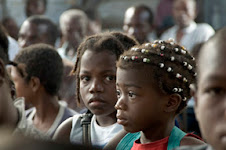
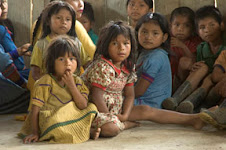
(I’m in El Chocó and Colombia as a photographer, not as a writer, so it may seem a little ironic that I don’t have any pictures of the area and the people I’m describing in these entries. But I’m simply falling behind in processing the many pictures I’m taking, and even more so since I have been spending major time on the activities of the Fiesta de San Pacho since returning to Quibdó—more on San Pacho will be coming soon—well, relatively soon. As soon as I can, I’ll add some pictures of Guaduas and the Guadueños.
Estoy en Colombia y El Chocó como fotógrafo, no como escritor, por el cual puede parecer algo irónico que no he puesto fotos de la zona y la gente que describo en estas entradas. Pero la simple verdad es que me estoy atrasando en procesar las muchas fotos que estoy sacando, y aún más por cometer mucho tiempo a las actividades de las Fiestas San Pacho desde que volví a Quibdo—más sobre San Pacho viene pronto—pues relativamente pronto. En cuanto pueda, agrego unas fotos de Guaduas y los guadueños.)
Crying for Emma Lazarus
Sometimes, something happens to help you realize how just below the surface emotions are building up. I just returned from a ten-day visit to the municipio of El Carmen de Atrato—the main mission was a five-day visit to the vereda of Guaduas—part of a commission of the Diocese of Quibdó. Part of our mission, and my primary task, was to help launch a program of recovering historical memory. This is a large part of what I’m doing in Colombia on this visit.
Guaduas is a fascinating place, with a moving 130-year history that in the last nearly twenty years includes violence at the hands of all the armed groups, displacement of the entire community in 1998 (one of the first massive forced displacements in the history of the current conflict), and now a process of returning. It’s a painful, difficult and moving history, and the Guadueños are impressive people, hard-working, welcoming and optimistic.
I intend to write more about this community, but for the moment, I’ll just tell this story:
One day we walked a couple of hours up one of the mountains, to visit one family in their provisional house, and look at the ruins of other places—all had been burned by the paramilitaries in 1998.
At the house of the people we were visiting, one of the diocesan workers asked me about the Statue of Liberty. I told them about the collection to build the base, and I talked a little about Emma Lazarus and her poem, “The New Colossus.” I’ve been thinking for a while about the relevance of that poem in light of the current anti-immigrant feelings growing in the US. I struggled a little both to remember the poem and to translate it. But halfway through, I had to quit, because I became very emotional and started to cry—the poem had released a lot of feelings for the people around me that had been building up in me these days…
Llorar por Emma Lazarus
A veces algo sucede que te ayuda dar cuenta como apenas debajo de la superficie están creciendo. Acabo de volver de una visita de diez días al municipio de El Carmen de Atrato—la misión central fue una visita a la vereda de Guaduas por cinco días—como miembro de una comisión de la Diócesis de Quibdó. Parte de nuestra misión, y mi tarea principal, fue ayudar en arrancar un programa de rescate de memoria histórica. Esto es parte importante de lo que estoy haciendo en Colombia durante esta visita.
Guaduas es un lugar fascinante, con una historia conmovedor de 130 años la cual en los últimos casi incluye violencia por parte de todos los grupos armados, desplazamiento de la comunidad entera en 1998 (uno de los primeros desplazamientos forzados masivos en la historia del conflicto actual), y ahora proceso de retorno. Es una historia dolorosa, difícil y conmovedor, y los guadueños son gente impresionante, trabajadora, acogedora y optimista.
Espero escribir más sobre esta comunidad, pero por el momento, solo contaré esta historia:
Un día caminamos unas horas montaña arriba, para visitar una familia en su casa provisional, y observar las ruinas de otras casas—todas fueron quemadas por los paramilitares en 1998.
En la casa de la gente que visitamos, uno de los trabajadores diocesanos me pregunto sobre la Estatua de la Libertad. Les conté lo de la recolección para construir la base, y hablé un poco sobre Emma Lazarus y el poema suyo, “El Nuevo Coloso.” Ya hace rato que vengo pensando sobre la relevancia de ese poema ante el actual crecimiento de sentimientos anti-inmigrante en EEUU. Luché un poco para recordar el poema y para traducirlo. Pero a la mitad, tuve que dejar de hacerlo, como me emocioné mucho y empecé a llorar—el poema había desatado muchos sentimientos por la gente en mi alrededor que se me habían estado creciendo en estos días….
A Little About Guaduas
One of the outstanding features of Guaduas is how stunningly beautiful the place itself is. From the road between Quibdó and El Carmen (“la trocha”), you first have to cross the Río Atrato. This is not as easy as it should be, as the paracos also blew up the bridge. A wooden bridge serves provisionally, but this means that cars and trucks can’t enter. The five of us and our luggage and gear arrived in one of the old jeeps that serve as taxis in El Carmen, and a group of Guadueños with luggage and food they had bought in the town in another. There is a car on the other side, and we loaded all the luggage on top and all the people inside (a couple hanging on outside), and took off under a mountain rain for an hour’s ride over a winding mountain trail through beautiful country, until we arrived at the canyon of the Río Guaduas.
The territory of the vereda is a real paradise. A beautiful, strong, river fed by numerous equally attractive quebradas runs between a number of low mountains (we’re in the western foothills of the Andes here) covered with exuberant sub-tropical forest. In the lower areas, and moving up the mountains, are the pastures for the beef cattle that are the main economic activity of the people here (though to date few cattle have been reintroduced), as well as banana plantations, and stands of yucca, corn and fruit trees.
Guaduas was settled about 1880 by Juan María Sánchez and his wife, Eulalia Gallego. They had lots of kids, who stayed and extended the area of the vereda. They were joined by other families called Velásquez, Cano, Moncada, Cardona, Restrepo, and others. Early in the 20th Century, Afro-Colombian families from the area of the Río Capá in Medio Atrato with names like Rentería and Martínez came into the area as workers, and stayed and became part of the community.
The community of Guaduas has a strong sense of history and great feeling of unity, based in large part on the close family connections among all of them. A combination of a hard-working community and very good land resulted in a vereda that was quite successful, where most of the people lived relatively well. They were educated (schools within the vereda went to the fifth grade—one of the teachers was our host and guide during out visit—and most young people finished their studies in school in the town of El Carmen), and most families had a gasoline-powered generator at the house.
In the 1980s and 90s, the people here began to feel serious pressures as a result of the conflict. The guerrilla forces had been in the area for a long time, but in the late 90s there were conflicts between the community and the guerrillas that resulted in the guerrillas mistreating and killing two young people. This within the context of the mistreatment and pressures from the army and police, who considered the vereda a guerrilla haven. In this period in El Carmen de Atrato, having the family name of Sánchez was reason enough to be abused or arrested by the police.
By the late 90´s, the situation in the area had become critical. Along the trocha, families (primarily mestizos and Afro-Colombians) were directly threatened by the increasing numbers of paramilitaries, or felt they had no choice but to leave. There were many deaths and disappearances in the area. In mid-1998, the Embera-Chamí community of Sabaleta was forced to move as a group to the town of El Carmen for six months (I expect to visit Sabaleta in the near future).
In the same year, human rights workers of the Diocese of Quibdó learned that the paramilitaries were planning to go through Guaduas and massacre the residents. As a result of the tensions, some people had left in the previous period, but now the diocese organized a massive evacuation of the community, not an easy task in an area where families live dispersed throughout the mountains. But it was accomplished, and doubtless saved many lives. The paracos moved through the vereda to drive out the guerrillas, and in the process killed the handful of people who had not left, as well as burning all the houses they could and killing the horses, mules and cattle left behind.
About three years ago, people started to return in an organized way. The tasks were enormous—the houses had been destroyed, the pastures were overgrown by weeds and trees up to about 8-9 feet, the internal road was gone, the bridge connecting them to the main road had been destroyed. At first, just a few people moved back, sometimes just the parents of a family, or even just the husband/father, while the rest of the family spent most of their time in town, working and going to school.
The return was not something that happened willy-nilly, but the result of serious planning. Help was sought and found for rebuilding houses, though the programs are moving slowly and encounter some obstacles—a major one is the bridge, which is necessary to move construction materials into the area.
Early in the process, diocesan workers suggested to the people that they create a caserío—a group of houses—rather than rebuilding houses scattered throughout the mountains. This would have made the process of rebuilding a lot easier, but it was rejected by the people. They wanted to return to their history, their culture, of living as family units on their fincas, near their animals. On the one hand, living in a caserío would have meant a daily trip up to the fincas to tend to the animals, milk the dairy cows, and carry out whatever other work was necessary. And on the other hand, they prefer the tranquility and solitude of living out on their own land, not close to other people. From most of the houses we visited, you can see another house off in the distance, but not from all of them.
But this does mean that to get to most of the houses, you have to walk long distances, mostly over mountain tracks and through mud and muck. And as I said to one women who lives in an isolated house not even near the internal road, this means that every pound of rice, every piece of lumber, every tool, has to be carried, sometimes on mule- or horse-back, but often on human shoulders, all the way up to the house. Yes, she agreed, but it’s worth it to us.
Un Poco Sobre Guaduas
Uno de los aspectos sobresalientes de Guaduas es que el lugar en si tiene una belleza asombradora. Desde el camino entre Quibdo y El Carmen (“la trocha”), primero tienes que cruzar el Río Atrato. Esto no es lo fácil que debe de ser, ya que los paracos también volaron el puente. Hay un puente de madera que sirve provisionalmente, pero esto quiere decir que no pueden entrar carros o camiones. Los cinco de nosotros/as, con les maletas y equipos, llegamos en uno de los viejos Willys que trabajan como taxis en El Carmen, y un grupo de guadueños con su equipaje y alimentos que habían comprado en el pueblo llegaron en otro. Hay un carro en el otro lado, y cargamos todo el equipaje en la parilla y todas las gentes adentro (pues, unos colgados), y arrancamos bajo una lluvia de la montaña por un viaje de una hora en un camino sinuoso de la montaña, por un escenario campestre bello, hasta llegar al cañón del Río Guaduas.
El territorio de la vereda es un verdadero paraíso. Un río bonito y fuerte, alimentado por numerosas quebradas iguales de atractivas corre entre unas montañas bajas (aquí estamos en las faldas occidentales de los Andes) y cubiertas de una selva sub-tropical exuberante. En las bajadas, y subiendo las montañas, hay potreros para los reces de engorde que son la principal actividad económica para la gente acá (aunque hasta la fecha pocos reces han sido reintroducidos), además de platanales y siembras de yuca y maíz, y frutales.
Guaduas fue fundada alrededor de 1880 por Juan María Sánchez y su esposa Eulalia Gallego. Tuvieron muchos hijos, que se quedaron y extendieron el área de la vereda. A ellos se unieron otras familias con apellidos como Velásquez, Cano, Moncada, Cardona, Restrepo, entre otros. En principios del siglo XX, familias afro-colombianos de la zona del Río Capá en Medio Atrato con apellidos como Rentería y Martínez subieron a la zona como trabajadores, y se quedaron y se hicieron parte de la comunidad.
La comunidad de Guaduas tiene un sentido fuerte de la historia y un gran sentimiento de unidad, basados en gran parte en los lazos familiares cercanos entre todos. Una combinación de una comunidad muy trabajadora y tierra muy buena dio por resultado una vereda que fue bastante exitosa, donde la mayoría de la gente vivía relativamente bien. Eran educados (las escuelas dentro de la vereda enseñaron hasta quinto grado—uno de los profesores era anfitrión y guía nuestro durante la visita—y la mayoría de los jóvenes terminaron sus estudios en el pueblo de El Carmen), y la mayoría de las familias tenían plantas eléctricas a la casa.
En los años 80 y 90, la gente acá empezó a sentir presiones serias como resultado del conflicto. La guerrilla había estado en la zona ya hacía tiempo, pero en finales de los 90 hubo conflictos entre la comunidad y la guerrilla que terminaron en que la guerrilla maltratara y matara a dos jóvenes. Eso dentro del contexto del maltrato y presiones del ejército y la policía, quiénes vieron a la vereda como asilo guerrillero. En este período en El Carmen de Atrato bastaba con llevar el apellido de Sánchez par que la policía abusara o arrestara a uno.
En los finales de los 90, la situación se había vuelto crítica. En la trocha, familias (generalmente mestizas y afro-colombianas) o recibieron amenazas directas de parte de las cantidades crecientes de paramilitares, o sentían que no les quedaba más alternativa que salir. Hubo muchos muertos y desaparecidos en la zona. En medianos de 1998 la comunidad embera-chamí de Sabaleta se vieron obligados a desplazarse en comunidad al pueblo de El Carmen por seis meses (espero visitar a Sabaleta pronto).
En el mismo año, trabajadores de derechos humanos en la Diócesis de Quibdo se dieron cuenta que los paracos tenían planes de andar por Guaduas y masacrar a los habitantes. Como resultado de las presiones, algunas personas se habían ido previamente, pero ahora la diócesis organizó una evacuación masiva de la comunidad, cosa nada fácil en un área donde las familias viven dispersas por la montaña. Pero se logró, y sin duda se salvaron muchas vidas. Los paracos pasaron a través de la vereda para correr a la guerrilla, y al hacerlo mataron a las pocas personas que no habían salido, además de quemar todas las casas que podían y matar a las bestias y ganado que se habían quedado.
Hace aproximadamente tres años, la gente empezó a retornar de manera organizada. La tareas eran tremendas—las casa se habían destruidos, los potreros llenos de monte y árboles hasta 3 metros de altura, la carretera interna se había perdido, el puente que había sido el lazo con la carretera principal se había destruido. En un principio, solo retornaron unas pocas personas, a veces solo los padres de una familia, o incluso solo el esposo/padre, mientras el resto de la familia paso la mayoría de su tiempo en el pueblo, trabajando y estudiando.
El retorno no sucedió así no más, sino que fue resultado de planes serios. Se buscó y se encontró apoyo para la reconstrucción de las casas, aunque los programas se adelantan muy lentos y encuentran unos obstáculos—uno muy grande es el puente, que les hace falta para llevar materiales de construcción a la zona.
Temprano en el proceso, trabajadores diocesanos sugirieron que se crease un caserío en lugar de reconstruir casa regadas por la montaña. Eso habría hecho el proceso de reconstrucción más ágil, pero fue rechazado por la gente. Querían volver a su historia, a su cultura, de vivir en familia en sus fincas, cerca a los animales. Por un lado, vivir en caserío habría hecho necesario ir todos los días a los fincas para cuidar los animales, ordeñar las vacas lecheras, y realizar cualquier otro trabajo que fuera necesario. Y por otro lado, prefieren la tranquilidad y la soledad de vivir en tierra propia, y no estar cerca de la demás gente. Desde la mayoría de las casa que visitamos, puedes ver otra casa allá lejos, pero no desde todas.
Sin embargo, efectivamente quiere decir que para llegar a la mayoría de las casas, debes caminar largas distancias, mas que nada por senderos de la montaña y a través de bastante pantano y barro. Y como decía yo a una señora que vive en una casa aislada, ni siquiera cerca de la carretera interna, eso quiere decir que cada libra de arroz, cada tabla de madera, cada herramienta debe subirse, a veces sobre mula o caballo, pero muchas veces sobre hombros humanos, todo el trecho a la casa. Sí, dijo, pero para nosotros vale la pena.
More on food—and vitamins
I’ve been meaning to write some more about food—including my own diet here—and the visit to Guaduas provides an occasion. One of the real treats here is arepa de choclo (or chocolo—both forms exist) con quesito. Arepa is very similar to what in Mexico, or even more in Central America would be called a tortilla, though it comes in more varieties—sometimes it’s like a small bread, other times it’s deep fried. I’ve had arepas in Venezuela and Colombia; I don’t know if they are part of other Andean cultures.
The normal arepa here is made with a fine corn dough, like the dough of Central American tortillas, usually made flat and round, the size of a salad plate, though sometimes as a small ball. It commonly accompanies any meal, though especially breakfast. The arepa de choclo is made from a coarse dough—really it’s only corn kernels ground once and kneaded with a little water and a little sugar, like corn muffins in the states, then grilled with a little oil. It has a rich sweet corn taste. I’ve had a version of them in Quibdó, and that version is very common on the streets of Bogotá, smaller and usually with a melted cheese filling. But none have been as delicious as the Guadense arepa de choclo.
Quesito is a mild, light white cheese. I’ve had both homemade and commercial quesito in Guaguas, made without the excess salt that—for me—ruins too much of the cheese here (the truth is, I’ve seen women in Quibdó buying cheese and interrogating the vendors about whether the cheese is too salty). A breakfast of arepa de choclo and quesito, accompanied by coffee, black (which is called “tinto” (ink) in Colombia) or with milk fresh from the cow, or hot chocolate or agua panela (hot water in which has been dissolved panela—blocks of raw sugar) is a real treat.
From El Carmen de Atrato, to get to the house where your lumpen food critic woke up to among other things have such a breakfast you’ll have to take two car rides over terrible roads, more than 2 hours together, (crossing the provisional bridge over the Río Atrato on foot to get from one to the other) then another 2 hour walk or so over dirt road, mountain track and a lot of mud—but it’s worth it. (Of course, I had the same meal a couple of days later with Guadueños here in El Carmen, so I guess you might be able to skip the travel, but you’ll really be missing something.)
While I’m on the topic of food, here’s a question for nutritionists out there. My experience here is raising serious doubts about the role of vegetables in the diet. The people in Guaduas (like most of my friends in Quibdó, El Carmen or Bogotá)—who are healthy and very strong, with glowing skin ands hair and beautiful teeth, who walk the mountain tracks up and down twice as fast as I, all of this at least into their 60s and 70s, and some beyond—rarely eat vegetables. Their basic diet is: potatoes, yucca, bananas both green and ripe, corn, white rice, sugar, milk, some fruit (especially guava and citrus), a little meat and chicken and occasional eggs or beans. There is some variety, but that’s basically it.
The variety? Onions are grown everywhere, and are basically used a flavoring, along with some other herbs. Carrots and cabbage are sometimes grated into a very tasty salad, sometimes with some tomato slices, especially to accompany the equally delicious sancocho—essentially a soup of potatoes, yucca, bananas, and meat or chicken—but people don’t have sancocho every day, so they get substantially less than a portion of vegetables a day on average. And green vegetables are rarely seen. Since we’re further from the big rivers and the coast, there’s little in the way of fish, though they fish with hook and line for sabaleta in the river (they use the eggs of wasps that make their nests at the houses for bait, so the wasps are tolerated). Because it was raining so much when we were there, there was no fishing. And it seems like while we were there, the season began for ahuyama, a variety of what we would call winter squash—very big, with a nice orange meat. They’ve also appeared in Quibdó, and since I returned, I’ve had delicious soup of ahuyama a couple of times.
The food I’m describing is good; I like it a lot. And unlike other places, it isn’t all fried. But for me, the absence of vegetables is dramatic (I’ve checked the markets in El Carmen, and in truth there’s not much of a variety for sale there. But in Quibdó and much more in Bogotá, where the diet is similar—with the addition of lots of really good fish in Quibdó—there are good, relatively inexpensive vegetables available, which means of course that someone is buying them).
I’m not interested in imposing my diet on the people here, even if I could. And in fact, as I’ve said, I like the food here. But the question that stays with me is: Why aren’t the people here suffering from vitamin deficiency disorders?
Más sobre la comida—y vitaminas.
He querido escribir más sobre la comida—incluso sobre mi dieta acá—y la visita a Guaduas ofrece una posibilidad. Una de las verdaderas delicias acá es arepa de choclo (o “chocolo”—las dos formas existen) con quesito. Arepa es muy parecido a lo que en México, o aún más en América Central, se llamaría una tortilla, aunque se ve en más variedades—a veces es como un pancito, otras veces es frita. He comido arepas en Venezuela y Colombia; no sé si se ven en otras culturas andinas.
La arepa común aquí es hecha con un masa fina de maíz, como la masa de tortillas centroamericanas, por lo general plana y redonda, tamaño de una platilla de ensalada, aunque a veces como una pelota pequeña. Es común como acompañamiento a cualquier comida, pero sobre todo el desayuno. En cambio, la arepa de choclo es hecha de una masa tosca—de hecho, es nada más granos de maíz molido una vez y amasada con un poco de agua y un poco de azúcar, como los “corn muffins” de EEUU, y puesto en un sartén con un poco de aceite, Tiene un sabor rico y dulce de mías. He co ido otra versión de ellas en Quibdó, y esa versión es muy común en las calles de Bogotá, meas pequeña y normalmente rellena de queso fundido. Pero ninguna ha sido tan deliciosa como la arepa de choclo guadueña.
Quesito es un queso blanco muy suave. He comido quesito comercial y casero en Guaduas, hecho sin la sal excesiva que—para mi—destruye demasiado queso por acá (de hecho, he visto a señoras en Quibdo al comprar queso interrogar a los vendedores sobre si el queso tiene demasiada sal). Un desayuno de arepa de choclo y quesito acompañado de café, o tinto o con leche directa de la vaca, o chocolate o agua panela, es una verdadera delicia.
Desde El carmen de Atrato, para llegar a la casa donde tu crítico de comida lumpen amaneció para, entre otras cosas, desayunar así, te harán falta dos viajes en carro sobre carreteras tremendas, más de 2 horas juntos (cruzando el puente provisional sobre el Río Atrato para trasladarte de uno a otro), luego caminar otras 2 horas o más sobre camino de tierra, senderos de montaña y mucho pantano—pero vale la pena. (Pues, la verdad es que comí lo mismo unos días después con unos guadueños acá en El Carmen, por eso creo que puedes hacerlo sin el viaje, pero de hecho perderás algo muy lindo).
Mientras estoy en el tema de la comida, tengo una pregunta para l@s nutricionistas que puedan leer estas palabras. De mi experiencia acá, me está surgiendo una duda seria sobre el papel de las verduras en la dieta nuestra. La gente en Guaduas (como la mayoría de mis amig@s en Quibdo, El Carmen o Bogotá)—que gozan de buena salud y son muy fuertes, con la piel y el cabello luminosos y dientes lindos, que caminan los senderos de las montañas pa’ arriba y pa’ abajo a dos veces el paso mío, todo esto por lo menos en sus 60 y 70, y algunos más allá—rara vez comen verduras. La dieta básica es: papas, yuca, plátanos y bananos tanto verdes como maduros, maíz, arroz blanco, azúcar, leche, algo de frutas (sobre todo guayaba y cítricos), un poco de carne y pollo y de vez en cuando huevos o frijoles. Hay un poco de variedad más, pero básicamente eso es.
¿La variedad? Cebollas son sembradas por todo lado, y básicamente se ocupan para un poco de sabor, juntas con otras hierbas de cocina. Zanahorias y repollos son raspado, a veces, para hacer una ensalada muy sabrosa, a veces con tajadas de tomate, sobre todo para acompañar al sancocho igualmente delicioso. Pero la gente no toma sancocho cada día, pues por promedio consume mucho menos de una porción de verduras al día. Y verduras verdes se ven muy rara vez. Como son más lejos de los ríos grandes y l costa, hay relativamente poco pescado, aunque pesan el sabaleta en el río con anzuelo (usan los huevos de una avispa que hace sus nidos en las casas por carnada, por eso toleran la presencia de las avispas). Por que llovía tanto durante nuestra estadía, no pescaron. Y parece que durante nuestra visita empezó la temporada de ahuyama, una variedad de calabaza, bastante grande, con carne anaranjada buena. Desde que volví a Quibdo han aparecido acá también, y he tomado deliciosas cremas de ahuyama un par de veces.
La comida que describo es buena; me gusta mucho. Y al contrario de otros lugares, no es puro frito. Pero a mi ver, la ausencia de verduras es dramático (he echando un vistazo los mercados en El Carmen, y de hecho no hay mucha variedad de verduras a la venta allá. Pero en Quibdo, y mucho más en Bogotá, donde la dieta es parecida—con la diferencia que hay mucho pescado realmente bueno en Quibdo—hay buenas y relativamente baratas verduras disponibles, el cual quiere decir por supuesto que alguien las está comprando).
No me interesaría imponer la dieta mía sobre la gente acá, aun si pudiera. Y de hecho, como decía, a mi me gusta la comida aquí. Pero la pregunta que se queda para mi es: ¿Por qué la gente de por acá no padece de males de deficiencias de vitaminas?
Tuesday, October 2, 2007


Monday, September 10, 2007
“Mongolian Buffet” in the El Dorado Airport / “Mongolian Buffet” en el Aeropuerto El Dorado
Once again I find myself in the Bogotá airport waiting for a flight to Quibdó, once again it’s lunchtime and once again I’m very hungry. But this time I decided to bypass all the typical grilled meat and try the “Mongolian Buffet.” As I approach, one of the workers comes out and shows me the special—a bowl of brown rice with lots of finely chopped sautéed vegetables, shrimp, chicken, beef and pork.
“Looks good, but could you make me one without the meat—no kind of meat?”
“Oh, vegetarian?’
“Please” (grinning)
He shows me to a seat, takes my drink order and goes off
The cook comes by.
“But do you want rice? A little rice?"
“Yes, just a little."
“Brown rice?”
You bet!
The drink is what’s called a “jugo natural” here—which means fruit juice, water and sugar. Often, they’re very sweet. I had ordered my favorite, lulo, and it came with very little sugar—perfect!
I asked the workers where the idea for a Mongolian restaurant had come from. It turns out that the owner is a woman who came here from the Philippines!
So, if you’re ever in need of lunch at the Bogotá airport, you have my recommendation. (Of course, keep in mind that I haven’t even tried the fancier restaurants). It isn’t cheap by my standards, but it is the international airport. In the future, your humble lumpen-gourmet will recommend places to eat in Quibdó as well…just in case, you never know.
“Mongolian Buffet” en el Aeropuerto El Dorado
Otra vez me encuentro en el Aeropuerto de Bogotá, otra vez es la hora del almuerzo, y otra vez tengo mucho hambre. Pero esta vez decido pasar las parilla típicas y probar el “Mongolian Buffet.” Al cercarme, uno de los trabajadores sale y me muestra la especialidad—un plato hondo de arroz integral con muchas verduras, camaroncitos, pollo, carne de res y puerco, todo picado y salteados.
—Se ve bonito, pero ¿pueden hacérmelo sin ninguna clase de carne?
—Ah, ¿vegetariano?
—¡por favor! (sonrisa muy abierta)
Me enseña asiento, saca el pedido de bebida, y se retira.
Llega el cocinero.
—Pero, ¿quiere arroz? ¿Un poco de arroz?
—Sí, un poco
—¿Arroz integral?
¡Segurísimo!
La bebida es lo que se llama "jugo natural” por acá—quiere decir zumo de fruta, agua y azúcar. Muchas veces son muy dulces. Había pedido mi favorito, lulo, y llegó con un poquito de azúcar—¡perfecto!
Pregunté a los trabajadores de dónde había surgido la idea de un restaurante mongol. Resulta que la dueña ¡viene de las Filipinas!
So si alguna vez te hace falta almuerzo en el aeropuerto de Bogotá, tienes mi recomendación. (desde luego, hay que tener presente que ni siquiera he probado las restaurantes de nivel más alto). No es barato según mis criterios, pero está en el aeropuerto internacional. En el futuro, tu gourmet-lumpen humilde va a recomendar lugares a comer en Quibdo también…por si acaso, nunca se sabe.
Sunday, September 9, 2007
I Finally Found a Thermometer / Por Fin Conseguí Termómetro
You may remember that I wasn’t able to find a thermometer in Quibdó to measure air temperature, so I couldn’t answer the common question, “How hot is it there?” I figured it wouldn’t be hard to find one in Bogotá, but in fact I had just about given up after visiting some really terrific hardware stores, and a few smaller shops.
Then, I was walking down the street and passed a shop that sells chemicals and other supplies to laboratories, and I thought, labs sometimes need to know the ambient temperature. I thought they would have something too technical and expensive for me, but decided to give it a try. In fact they had exactly two models, modest and quite inexpensive.
So I’ll go back to Quibdó equipped to try to estimate the temperature. If you have good eyes, perhaps you can see in the photo that it was about 17.5 degrees Celsius (63.5 Fahrenheit) in my room when I took the picture. Pretty typical, though some nights it gets colder.
Por Fin Conseguí Termómetro
Es posible que se acuerden que no podía encontrar termómetro en Quibdó para medir la temperatura ambiental, pues no podía contestar a la pregunta común--¿ Qué tan caliente es allá? Creía que no iba a ser difícil encontrar una en Bogotá, pero en realidad estaba por rendirme después de haber visitado unas ferreterías bonísimas, y unas más pequeñas..
Luego, caminaba en la calle cuando pasé una tienda que vende químicas y otros suministros a laboratorios, y pensé, los laboratorios a veces deben saber la temperatura ambiental. Creyó que tendrían algo demasiado técnico y demasiado caro, pero decidí intentarlo. Efectivamente, tenían precisamente dos modelos, modestos y baratos.
Pues vuelvo a Quibdo preparado a intentar estimar la temperatura. Si tienen ojos buenos quizás pueden ver en la foto que hacía 17.5 grado en mi cuarto cuando saqué la foto. Más o menos típico, aunque algunas noches hay más frío.
Then, I was walking down the street and passed a shop that sells chemicals and other supplies to laboratories, and I thought, labs sometimes need to know the ambient temperature. I thought they would have something too technical and expensive for me, but decided to give it a try. In fact they had exactly two models, modest and quite inexpensive.

So I’ll go back to Quibdó equipped to try to estimate the temperature. If you have good eyes, perhaps you can see in the photo that it was about 17.5 degrees Celsius (63.5 Fahrenheit) in my room when I took the picture. Pretty typical, though some nights it gets colder.
Por Fin Conseguí Termómetro
Es posible que se acuerden que no podía encontrar termómetro en Quibdó para medir la temperatura ambiental, pues no podía contestar a la pregunta común--¿ Qué tan caliente es allá? Creía que no iba a ser difícil encontrar una en Bogotá, pero en realidad estaba por rendirme después de haber visitado unas ferreterías bonísimas, y unas más pequeñas..
Luego, caminaba en la calle cuando pasé una tienda que vende químicas y otros suministros a laboratorios, y pensé, los laboratorios a veces deben saber la temperatura ambiental. Creyó que tendrían algo demasiado técnico y demasiado caro, pero decidí intentarlo. Efectivamente, tenían precisamente dos modelos, modestos y baratos.
Pues vuelvo a Quibdo preparado a intentar estimar la temperatura. Si tienen ojos buenos quizás pueden ver en la foto que hacía 17.5 grado en mi cuarto cuando saqué la foto. Más o menos típico, aunque algunas noches hay más frío.
Another Face of Bogotá / Otra Cara de Bogotá
 I’ve mostly been reporting on curiosities or other aspects of Bogotá that I enjoy. I hope you all enjoy the reports as well. But recently I got to spend most of the day looking at another face of this area. I wasn’t actually in Bogotá, but in the neighboring municipio of Soacha. (It’s hard to describe what a municipio is, exactly; we often translate it as “municipality,” but that hardly conveys its meaning. For people from the US, it more or less corresponds to a county, in the sense that it’s the next level of political subdivision down from a department, as a county is to a state for us, and like a county, may include cities, towns and other units. But a municipio has more authority and is a more active than a county.)
Soacha is big—it covers a lot of ground and has a substantial population. There are sectors and barrios that have been around for quite a while, and it is a center for some industrial activities, among them producing construction materials and recycling. In recent years, the population has grown as many people displaced by the violence have settled there (as well as in Bogotá proper). Many of the displaced live in truly distressing conditions in very poor sectors of Soacha, and have serious problems in getting by.
 So I was very pleased to be invited by Catholic Relief Services to accompany some workers from the Pastoral Social in the delivery of food to some of these needy families, and to have my first introduction to the area.
The food was delivered through a program called Programa Alimentario Nacional de Emergencias (PANEM) (its first initials, PAN, form the word for bread in Spanish), a joint program of the National Secretariat of Pastoral Social of the Catholic church in Colombia, CRS, the UN’s World Food Program, and the nine diocese where the program is being carried out. I was able to attend a meeting of the beneficiaries, and observe the distribution of basic foodstuffs—rice, lentils, cooking oil. I also was able to talk with a young mother from El Chocó and visit the house she shares with three of her six children.
(A few days later, along with other Fulbright fellows, I had a look at another district that houses large numbers of low-income people, and numerous families displaced by the violence, Bosa. Bosa is one of the 20 districts or minor cities within Bogotá proper, but in appearance was quite similar to Soacha, though smaller. Here, too numbers of people work in recycling, collecting or preparing materials for the big processors. It’s hard, dirty and ill-paid work.)
Soacha has several pretty clearly-defined districts. Along with the Pastoral Social workers, I visited three: Oasis, La Capilla and Balcanes, as well as walking and riding a little buseta through a couple of others.
 Many of the people of Soacha, especially but not exclusively the displaced, live in very precarious situations. They have little or no regular income, and try to eke out of living in the “rebusuqe,” searching for work in the informal sector. The woman I met from El Chocó makes a small amount of money washing and ironing clothes. The houses of people in this situation are quite miserable, and are often built on unstable land, or are subject to floods or landslides. Fundamental human and social services are spotty at best. The organizations that serve the people of the area are concerned to avoid creating a dependency relationship, but under the current economic and social conditions it’s hard to avoid.
Although this visit was only the initial very small step in what we hope will later be a photographic project in some of the comities served by PANEM, it was an important reminder for me of the importance of keeping in mind this side of the reality of Bogotá and the surrounding area. In the near future, I expect to post a good number of pictures of Soacha at my pbase website. For the moment, I hope the ones here can help you visualize the situation.

Otra Cara de Bogotá:
Generalmente, he venido contando sobre curiosidades u otros aspectos de Bogotá que me caen bien. Espero que Uds. también gocen de ellos. Pero hace muy poco tuve la posibilidad de pasar mayor parte del día mirando otra cara de este área. De hecho, no estuve en Bogotá, sino en el municipio vecino de Soacha. (Cuesta trabajo describir a norteamericanos que cosa es un municipio precisamente; muchas veces lo traducimos
 como “municipality,” pero eso apenas lleva su significado. Por estadounidenses, más o menos corresponde a un condado, en el sentido que es la próxima estructura debajo de un departamento, tal como un condado es dentro de un estado para nosotros, y como condado, puede abarcar a ciudades, pueblos y otras unidades. Pero un municipio tiene más autoridad y es más activo que un condado.)
Soacha es grande—tiene gran extensión y población considerable. Hay sectores y barrios que llevan muchos años, y es un centro de unas actividades industriales, entre ellas elaboración de materiales para construcción y reciclaje. En los últimos años, la población ha crecido con el asentar allá de mucha gente desplazada por la violencia (además de dentro de Bogotá). Mucha de la gente desplazada vive en condiciones verdaderamente lamentables, y encuentran problemas económicos graves.
Pues quedé complacido cuando me invitó Catholic Relief Services a que acompañara a unos trabajadores de la Pastoral Social en una entrega de alimentos a algunas familias necesitadas, y a tener mi primer presentación del área.
Los alimentos fueron entregados a través de un proyecto llamado Programa Alimentario Nacional de Emergencias (PANEM), un programa conjunto del Secretariado Nacional de Pastoral Social de la iglesia católica, CRS, el Programa Mundial de Alimentación de
 la ONU, y las nueve diócesis donde se lleva a cabo el programa. Tuve la oportunidad de asistir a una reunión de los beneficiados, y de observar la entrega de alimentos básicos—arroz, lentejas, aceite. También tuve la posibilidad de hablar con una madre joven chocoana, y visitar la casa donde vive con tres de sus seis niños/as.
(Unos días después, junto con otros becarios Fulbright, eché un vistazo a otro distrito en que habitan cantidades grandes de gente de bajos ingresos y muchas familias desplazadas por la violencia, Bosa. Bosa es uno de los 20 distritos o alcaldías menores dentro de Bogotá, pero se parecías mucho con Soacha, aunque es más pequeño. Acá también cantidad de gente se dedica a reciclaje, recogiendo o preparando materiales para los procesadores grandes. Es trabajo duro, sucio y mal pagado.)
Soacha cuenta con varios distritos, claramente definidos. Junto con los trabajadores de la pastoral Social, visité tres: Oasis, La Capilla y Balcanes, además atravesar unos más a pie o una buseta.
Mucha de la gente de Soacha, especialmente pero no únicamente los desplazados, vive en condiciones muy precarias. No tienen, o tiene muy bajos, ingresos fijos, y tratan de ganar un poco en el “rebusque,” buscando trabajo en el sector informal. La señora chocoana que conocí gana un poco lavando y planchando. Las casas de le gente en esta situación muchas veces son miserables, y se construyen en tierras inestables,

o donde hay inundaciones o derrumbes. Servicios humanos y sociales fundamentales, cuando existen, no son adecuados. La organizaciones que atienden a la gente se preocupan por no crear relaciones asistencialistas, pero bajo las condiciones económicas y sociales actuales, es difícil evitar.
Aunque esta visita fue nada más un pasito muy pequeño en lo que esperamos sea más tarde un proyecto fotográfico en algunos de las comunidades servidos por el PANEM, fue para mi un recordatorio importante de la necesidad de tener presente esta cara de la realidad de Bogotá y sus alrededores. En una futura próxima, espero entrar una cantidad de fotos de Soacha a mis páginas de pbase. Por el momento, espero que las que he puesto acá les ayuden a visualizar la situación.
Saturday, September 1, 2007
Calling for a taxi / Pedir un taxi
When I arrived in Bogotá for this visit at the end of July, since I came as a Fulbright scholar, I was required to attend a security briefing at the US Embassy. Mostly, it was over the top for my purposes—I now know what to do if a bomb explodes in my section of the embassy, and I know what I can and cannot enter on my computer at the embassy, but I don’t have a section of the embassy or a computer there, and I fact I don’t go there.
 Some of the travel rules were also impossible for me. We were told we are never allowed to travel by bus! This produced a little bit of an exchange. Although my general rule is simply to listen and keep quiet during a meeting like this, one of the Fulbright students asked about the bus rule. I said, “You’re not an employee of the embassy.” One of the security people there took umbrage at that, and said “But you’re being paid with money from the US budget, so you’re under the rule of the Chief of Mission.” Whatever. Of course, one of the consequences of a rule like that is that one little more obstacle is set up to embassy people developing a sense of what life is like here in Bogotá. If you ride the buses, you see all kinds of people—including well-dressed businessmen—on them, and you get to rub shoulders—quite literally—with everyone. I, for one, ride buses, even if know there are some risks—but I know that at home, too.
 But there was one travel rule that made sense to me, and my friends in Bogotá had already told me the same. When you have to use a taxi, it’s much safer to call one from home, and not hail one in the street. There’s some robbery and criminality associated with some cabs.
So I get to the point of this note: the security system when you call for a cab is both simple and effective. When you call—from a ground line, not a cell—you get an automated response, giving your number and the street you’re calling from. Then you press a button to say you want to order a cab (you can also check on your order and do other things), and you get to speak to an operator, who gets the details. You then wait a few minutes while they find a cab for you, then you receive an automated message that gives the number of the cab, the license plate number and a security code.
When you enter the cab, you know it’s the one that was sent for you. The cabbie asks for the security code, so he knows you’re the person who called, and he radios in to his dispatcher with the code and the destination. You both feel confident and can relax and have your conversation about politics or the rain.
Cuando llegué a Bogotá para esta visita en finales de Julio, como vine de becario Fulbright, tuve obligado que asistir a un ”briefing de seguridad” en la embajada de EEUU. La mayoría fue muy exagerado para mi—ahora yo sé que hacer si explota una bomba en mi sector de la embajada, y sé que puedo y que no puedo entrar en mi computadora en la embajada, pero no tengo sector ni computadora en la embajada, y de hecho no voy por allá.
 Algunas de las reglas en cuanto a viajar fueron también imposibles para mi. Nos dijeron que ¡jamás se nos permite viajar en bus! Esto produje un pequeño intercambio. Aunque mi regla personal en reuniones como esta es solamente escuchar y quedarme callado, una de los estudiantes Fulbright preguntó sobre la regla sobre los buses. Dije, “Tú no eres empleada de la embajada.” Uno de los agentes de seguridad se ofendió por eso, y dijo, “Pero les pagan con dinero del presupuesto de EEUU, y entonces están bajo control del Jefe de Misión.” Como sea, pues. Claro uno de los resultados de semejante regla es que se establece un pequeño obstáculo más a que la gente de la embajada desarrolle un sentido de cómo es la vida acá en Bogotá. Si viajas en bus, ves a toda clase de gente— incluyendo a hombres de negocios bien vestidos—en ellos, y tienes la oportunidad de estar codo a codo—muy literalmente—con todo el mundo. Personalmente, viajo en buses, aunque sepa que hay riesgos—pero los hay en casa, también.
Pero hubo una regla u a mi me pareció acertada, y mis amigos bogotanos ya me habían dicho lo mismo. Cuando es necesario usar taxi, mejor llamar a uno desde la casa, y no parar uno en la calle. Hay una medida de robo y crimen asociados con algunos taxis.
 Pues, llego al grano: el sistema de seguridad cuando llamas a pedir un taxi es simple y efeicaz. Cuando llamas—de un teléfono fijo, no de celular—recibes una respuesta mecánica, en que se repite el número de tu teléfono y la calle tuya. Luego digitas un número para decir que quieres pedir taxi (también puedes averiguar el progreso de un pedido o hacer otras cosas), y hablas con una operadora, que te saca los detalles. Ya esperas unos minutos mientras buscan un taxi, y finalmente recibes un recado mecánico en que te dicen el número del taxi, número de placa, y un código de seguridad.
Cuando entras el taxi, sabes que es el taxi que fue despachado por ti. El taxista te pide el código, por eso sabe que eres la persona que lo pidió, y llama por radio al despacho para entrar el código y el destino. Los dos cojan confianza y pueden relajar y sostener su conversación sobre la política o la lluvia.
Wednesday, August 29, 2007
A few small notes about Bogotá / Unas noticas sobre Bogotá
I’ve mentioned before that Bogotá is a sprawling city—the official population of greater Bogotá is around 6,800,000, nearly 17% of the population of Colombia. It has its problems, but for me—a city boy—it also has its fascinations. It’s a truly cosmopolitan city, a real metropolis, filled with life and energy. Here are a few short notes about this city
He mencionado antes que Bogotá es una ciudad de extensión exagerada—la población oficial es alrededor de 6.800.000, cerca de 17% de la población de Colombia. Tiene sus problemas, pero para mi—citadino—tiene también sus fascinaciones. Es una ciudad verdaderamente cosmopolita, un metrópoli de hecho, llena de vida y energía. Aquí les doy unos apuntes cortos sobre la ciudad esta.
Culture Conflict? / ¿Conflicto de culturas?
On one of the busiest streets of downtown Bogotá, there are several plaques on the wall at the spot where in April of 1948 Jorge Eliécer Gaitán was murdered. This was a critical moment in the history of modern Colombia. Gaitán was an important popular leader (often called “populist”), and was likely to be elected president of Colombia. His murder unleashed a ten-year-long wave of violence, and it’s not unreasonable to trace the armed conflict that shakes Colombia today to that period.
The importance of the murder is hard to overestimate. It’s worth keeping in mind that 1948 was also a period of intense anti-communism on the part of the US government, the period when the Cold War was taking shape and the US was pushing anti-communism in Latin America. On one hand, some argue that the young Fidel Castro, who was in Bogotá for a youth conference and had an appointment with Gaitán that very day, was convinced by events in Colombia of the necessity of armed struggle. On the other, though the motives behind the murder have never been definitively proven, there are some, including Gaitán’s daughter, who have argued that the CIA was behind the crime. Gaitán’s importance is recognized in the fact that the 1000-peso bill, the most common bill, has a picture of him, with a popular rally in the background.
So it seems ironic that right near the spot, actually in the corner with another very busy street, is a McDonald’s restaurant. I suppose it’s possible that I’m making too much of this, but it seems to me to lack historical and cultural sensitivity to put it right there.

Of course, on the other side of the plaques, someone was selling lottery tickets…
The whole situation was improved by the arrival of a pastry delivery truck from the same era.

Finally, when I asked a man who was obviously explaining the plaques to some friends what he thought about the juxtaposition of the spot and McDonald’s, he answered, apparently taking me for a Colombian, “I’m not exactly sure what your question is about, but I can tell you that the gringos just come here and put there things wherever they want!”
En una de las calles mas activas del centro de Bogotá, hay varias placas en la pared donde en abril de 1948 fue asesinado Jorge Eliécer Gaitán. Este fue un momento crítico en la historia de la Colombia moderna. Gaitán era un líder popular sumamente importante (muchas veces llamado “populista”), y lo más probable es que estaba por ser elegido presidente de Colombia. Su asesinato desató una ola de violencia que duró diez años, y no faltaría de razón buscar en aquel período la raíz del conflicto armado que estremece Colombia hoy en día.
Sería difícil sobreestimar la importancia del asesinato. Vale tener presente que 1948 era también un período de intenso anticomunismo de parte del gobierno de EEUU, el período en que se formaba la Guerra Fría y EEUU promovía anticomunismo en América Latina. Por un lado, hay quienes argumentan que el joven Fidel Castro, que estaba en Bogotá asistiendo un congreso de juventud y que tenía una cita con Gaitán el mismo día, quedó convencido por los sucesos en Colombia de la necesidad de la lucha armada. Por otro lado, aunque los móviles nunca han sido probados definitivamente, hay gente, incluyendo a la hija de Gaitán, que han argumentado que la CIA fue detrás del crimen. La importancia de Gaitán es reconocida en el hecho de que el billete de 100 pesos, el billete más común, tiene una imagen de él, con una movilización popular en el fondo.
Por eso parece algo irónico que muy cerca, de hecho en la esquina con otra calle importante, hay un restaurante McDonald’s. Supongo que puede ser posible que me exagere, pero a mi parece una falta de sensibilidad histórica y cultural.
Pero de hecho, al otro lado de las placas, alguien vendía lotería…
La situación fue mejorada al llegar un carro entregando bizcochos—pero el carro era de los años de los eventos.
Finalmente, cuando pregunté un señor que obviamente explicaba el significado de las placas a sus compañeros que pensaba del McDonald’s tan cerca al lugar, me contestó, aparentemente creyendo que yo era colombiano, “No estoy seguro a donde va su pregunta, pero le puedo decir que ¡los gringos vienen y ponen lo suyo dondequiera!”


Street and building names / Nomenclatura de calles y edificios
Recently the names and numbers of streets and buildings were revised. There’s nothing so strange in that, and indeed, the new system makes it very easy to figure out from an address where a building is located. There’s a pretty systematic grid, and it’s all very rational and helpful. But because of the changes, many street addresses also changed. That could lead to confusion. So for some period of time, buildings are supposed to display both their new addresses and their old addresses, with a line through them. In some places, even the street signs are accompanied by the old signs with the line through them. It all makes sense, but somehow I find it amusing.


Hace poco, hubo una revisión de la nomenclatura de calles y edificios. No hay nada tan raro en eso, y de hecho el sistema nuevo hace muy fácil entender donde se ubica un edificio si conoces la dirección. Hay una cuadra bastante sistemática, y todo es muy razonable y ayuda. Sin embargo, por los cambios muchas direcciones de casas también cambiaron. Eso puede confundir, y entonces por un período los edificios deben mostrar tanto la dirección nueva como la antigua, tachada. En algunos lugares, hasta los letreros que indican la calle vienen acompañadas de los viejos nombres, también tachados. Todo tiene mucha razón, pero a mi me divierte.
Bicycles in the National University / Bicicletas en la Universidad Nacional
I went to the rather extensive campus of the National University to check out the room where I’m going to give a major talk on El Chocó. It’s an interesting campus. As one would expect, there were a number of spray-painted slogans on the walls—I’ll just show you a couple that I particularly liked.
One thing I noticed was that some people were riding bicycles. That made sense; there are some long distances to cover. But what was interesting was that the bikes had the colors of the National University, and even said “National University>” Could it be that the folks are so proud of their school that they paint their bikes? I doubt it. As I approached a gate, I realized what was going on—there were people leaving bikes in a rack. I asked one of the security guards if they were for rent. But no—there they are; you can take one and when you’re done with it, you leave it. That seems very civilized to me.

Fui al campus de gran extensión de la Universidad Nacional para ver la sala donde voy a dictar una conferencia sobre El Chocó. Es un campus interesante. Como era de esperar, hubo cantidad de pintas políticas en las paredes—sólo les enseño dos que me gustaron especialmente
Una cosa que me fijé fue unas personas montadas en bicicletas. Con razón, hay trechos que cubrir. Pero lo interesante fue que las ciclos llevaban los colores de la UN, y hasta decían “Universidad Nacional.” ¿Será que la gente tenga tanto orgullo de su institución que pintan sus ciclos? Lo dudo. Al acercar la puerta para salir, me enteré de que se trata—había gente dejando ciclos en un estante. Pregunté a uno de la seguridad si trata de alquilarlas. Pero no—allí están para coger una, usarla y dejarla cuando termines. Eso me parece muy civilizado.
 ("Let he who wants a better world throw the first stone.")
Pirate shopping centers / Centros comerciales piratas
I’ve mentioned before that Bogotá is a city of little commercial districts—a few blocks long. There are streets where you’ll find a line of shops that for example, sell bicycles, a district of pet stores, another of veterinary and pet supplies, another of safety vests that motorcycle riders must wear. There’s a district of shops that sell sheet plastic for wrapping large and small parcels. There’s another district of second-hand clothing shops, and another of pawnshops. Where I stay there’s a district of stores that sell parts for washing machines and other electric appliances, and one of electrical supplies and replacement parts, and another where they sell luggage. (I’ll try to get some pictures of this up later)
Not far away there’s a computer and other high-tech equipment district. They even very recently opened a high-tech shopping center—an enclosed mall—lots of small shops where they sell computers, PDAs, cell phones, cameras, hard disks, printers, etc., and parts, and supplies—CDs and DVDs, memory, etc. (sky-high prices, of course). This is not like the malls we’d see in the US, filled with chain stores and big box stores (tough those also exist here, as do big department stores and huge supermarkets); it’s much more on the model of a traditional market that you’d find in any Latin American city (and many European cities for that matter—and I remember the Essex Street and Morris Avenue markets and others in new York—they’re still there, but they’ve seen better days), except that instead of stall selling food or clothing, there are tiny stores selling all this high-tech stuff.
But perhaps the most interesting district I’ve seen until now is a well-known one in the barrio of San Andresito— I was interested in seeing the specialty of the area, which I had heard about, and a young friend of mine called and told me she was going there, did I want to go along? You bet!
In San Andresito there are a few one-story shopping centers. Again, they are like markets. But these are particular markets. They have a specialized product; the specialty is pirated music CDs and movie DVDs. There are dozens of stands. Some of them concentrate on certain kinds of music—Cuban son, for example—though most of them are stocked with the most popular forms of music here: salsa, vallenato, norteño, and general pop and rock, including heavy metal. My shopping companion found a particular stand she was looking for to order a bunch of salsa videos. Out of curiosity, I asked them about some Argentine political folk musicians I’m interested in; they had never heard of them. But we asked around, and finally, someone told us which stand to go to, and sure enough, the guy knew about the music, had some on hand, and would be happy to take my orders in the future…
In the movie area, we saw pirate DVDs of current movies—I’ve been told that those are not good copies, but that once movies go into DVD distribution, you can get high-quality pirate copies. There, we asked about some less popular movies, an we were directed to the stand that specializes in “classics.”
I was also told that before Christmas, the police come and clean these folks out—I suppose it’s when the legal merchants most feel the competition.
He mencionado antes que Bogotá es una ciudad de pequeños distritos comerciales—unas cuadras de largo. Hay calles en que encuentras toda una fila de tiendas que, por ejemplo, venden bicicletas, un distrito de tiendas de mascotas, otro de tiendas de suministros veterinarios y de mascotas, otro de chalecos de seguridad obligados para quienes montan motos. Hay un distrito de tiendas que venden plástico para envolver paquetes pequeños y grandes. Hay un distrito de tiendas de ropa de segunda mano, y otro de casas de empeño. Donde me quedo acá hay un distrito de tiendas que vendan repuestos para lavadoras y otros electrodomésticos, y uno de repuestos y piezas eléctricos, y otro donde venden equipaje. (Trataré de entrar unas fotos luego)
No muy lejos hay un distrito de computadoras y otros aparatos de alta tecnología, Incluso hace muy poco se inauguró un centro comercial de alta tecnología: muchos pequeños locales donde venden computadoras, PDAs, celulares, cámaras, impresoras, discos duros, piezas, etc., y suministros—CDs y DVDs, memoria, etc. (precios por las nubes, por supuesto). Esto no es como los centros comerciales (los “malls”) que vemos en estados Unidos, llenos de tiendas de cadenas y almacenes monstruosos (aunque estos también los hay acá, y gigantescos almacenes y supermercados); sigue más bien el padrón de un mercado tradicional que vas a encontrar en cualquier ciudad latinoamericana (y en muchas europeas—y siempre me acuero de los mercados de Essex Street y Morris Avenue y otros en Nueva York—todavía están pero su día h pasado), pero en lugar de puestos rústicos que venden comida o ropa, hay tienditas que venden cosas de alta tecnología.
Pero quizás el distrito más interesante que he visto hasta el momento es uno reconocido en el barrio de San Andresito. Tenía interés in ver la especialidad de la zona, de la cual había escuchado, y una amiga joven me llamó para decir que iba pa’ allá, y ¿quería ir? ¡Claro que sí!
En San Andresito hay unos centros comerciales de un piso. Otra vez, tienen aspecto de mercado. Pero estos son mercados muy particulares. Tienen un producto especializado; la especialidad es CDs de músic y DVDs de películas piratas. Hay docenas de locales. Algunos de ellos se concentran en música particular—son cubano, por ejemplo—aunque la gran mayoría son surtidos de las músicas meas populares acá: salsa, vallenato, norteño, y pop y rock, incluyendo a metal. Mi compañera de compras encontró un local que buscaba para pedir una cantidad de videos de salsa. Por curiosidad, les pregunté por unos cantantes sociales folclóricos argentinos en que tengo interés; nunca habían oído de ell@s. Pero preguntamos por acá, por allá y finalmente alguien nos dijo a cual local ir, y efectivamente el tipo conocía la música y los cantautores sociales, y con mucho gusto recibiría mis pedidos en el futuro….
En la zona de películas, vimos DVDs piratas de películas que están estrenando actualmente—me han dicho que estas no son buenas copias, pero que una vez que empiece la distribución comercial de los DVD, puedes conseguir copies piratas de alta calidad. Allá, preguntamos por unas películas menos populares, y nos dirigieron al local que especializa en “clásicos.”
Me han dicho también que antes de la Navidad, la policía viene y los saca de allá. Supongo que es en esa época que las tiendas legales más sienten la competencia…
Guinea pig races / Carreras de curíes

Another curiosity. In the very heart of downtown Bogotá, we came across this man, making some money by running guinea pig races. He would line up his three guinea pigs at perhaps 15 feet from a semi-circle of overturned dishes, and you could bet on which dish the first or second guinea pig would enter. The man would call out whether the first or second guinea pig would win, and he would tell the animals (voice only) when it was time to start running, which they did, apparently eager to get into one of the shelters. I bet my 200 pesos (about 10 cents US), but lost…
Very curious, but it also looks like a rough way to make a living.
 Otra curiosidad. En el mero corazón del centro de Bogotá, encontramos a este señor, ganando un poco de plata con carreras de curíes. Pondría los tres curíes en una linea a unos 5 metros de un semicírculo de platos hondos revertidos, y podría apostar sobre cuál sería el plato que el primer o segundo curí entraría. El tipo decía si el primero o el segundo sería el ganador, y decía a los animales que era tiempo de correr (con voz solamente), que hacían, al parecer con ganas de abrigarse. Aposté mis 200 pesos (alrededor de 10 centavos de dólar), pero perdí…
Muy curioso, pero también parece manera dura de ganarse la vida.

A final note, sort of sad… / Una última nota, algo triste
It’s easy to get lost in the curious, humorous or fascinating details of the face that the city presents us. But we need to remember that there are a lot of people struggling to survive in and around Bogotá. Between 1985 and 2006, about 667,000 people arrived in the cities of Bogotá and Soacha displaced by the violence. Many of these people continue being affected by the violence, and by the lack of adequate public services and human assistance.
In addition, there is classic urban poverty here. I like to walk, and I try to take a walk around where I’m staying once or twice a day. Right near is a sort of disreputable area—in addition to normal shops, there are bars and cafés of a questionable character (to be gentle about it). But what’s worse, there are some people sleeping on the sidewalk, and garbage pickers, and a somewhat generous portion of obviously crazy people wandering the sidewalks.
Es fácil perderse en los detalles curiosos, divertidos o fascinantes de la cara que nos presenta la ciudad. Pero debemos tener presente que hay mucha gente luchando para sobrevivir en Bogotá y sus alrededores. Entre 1985 y 2006, alrededor de 667,000 personas llegaron en Bogotá y Soacha, desplazadas por la violencia. Muchas de estas personas siguen siendo afectadas por la violencia, y por la falta de servicios públicos y asistencia humana adecuados.
Además de eso, hay pobreza urbana clásica acá. A mi me gusta caminar, y intento dar una vuelta en la zona donde me estoy quedando una p dos veces cada día. Muy cerca es un área de mala fama—además de las tiendas normales, hay bares y cafés de naturaleza dudosa (para decirlo de manera suave). Pero lo que es peor, hay personas que duermen el las aceras, gente que rebuscan en la basura, y una porción algo generoso de gente loca ambulando por las aceras.
Saturday, August 25, 2007
Something New / Algo Nuevo

At least it was new to me. This man was walking a pair of geese and about 20-25 goslings right down Carrera 2, in the very heart of Quibdó:
“Are they for sale?”
“For sale, sure”
“And are people buying them?”
“Some”
“To raise them to at?”
“Some to raise them to eat, others to have them as decorations”
Por lo menos, fue nuevo para mi. Este hombre conducía un par de gansos y 20-25 ansarones justo en la Carrera 2a, en el mero corazón de Quibdó:
—¿Están a la venta?
—A la venta, claro.
—¿Y la gente compra?
—Algunas
—¿Para engordar?
—Algunos para engordar, otros para tenerlos como adornos.
Subscribe to:
Posts (Atom)